Call Now: Free Estimates(612)-987-1566
    The Best Time to Paint a House Exterior in Minnesota (and Why the Window Is Shorter Than You Think)
    ← Back to Blog

    The Best Time to Paint a House Exterior in Minnesota (and Why the Window Is Shorter Than You Think)

    August 14, 2026 Mike Webster

    Why the calendar isn't the thing that decides

    The best time to paint a house exterior in Minnesota is late May through late September, and Webster's Quality Painting has timed Twin Cities exteriors around that window for 26 years, since 2000. The calendar isn't what decides, though; temperature, overnight lows, and dew point do. Our whole residential exterior painting process waits for those conditions instead of racing the season, because the peeling after a cheap fall job traces back to one skipped rule, not the paint.

    The part most guides skip: the number on the paint can that matters isn't the daytime high, it's the overnight low and the surface temperature the next morning. A 62-degree October afternoon feels like fine painting weather. But if it's dropping to 38 that night, the coat you rolled at 3 p.m. is still curing when the dew settles and the siding chills, and cold, damp curing is exactly how adhesion fails quietly and shows up as peeling the following May. That single gap between the daytime high and the overnight low is what shortens the real window well below what the calendar suggests.

    When is the best time to paint a house exterior in Minnesota?
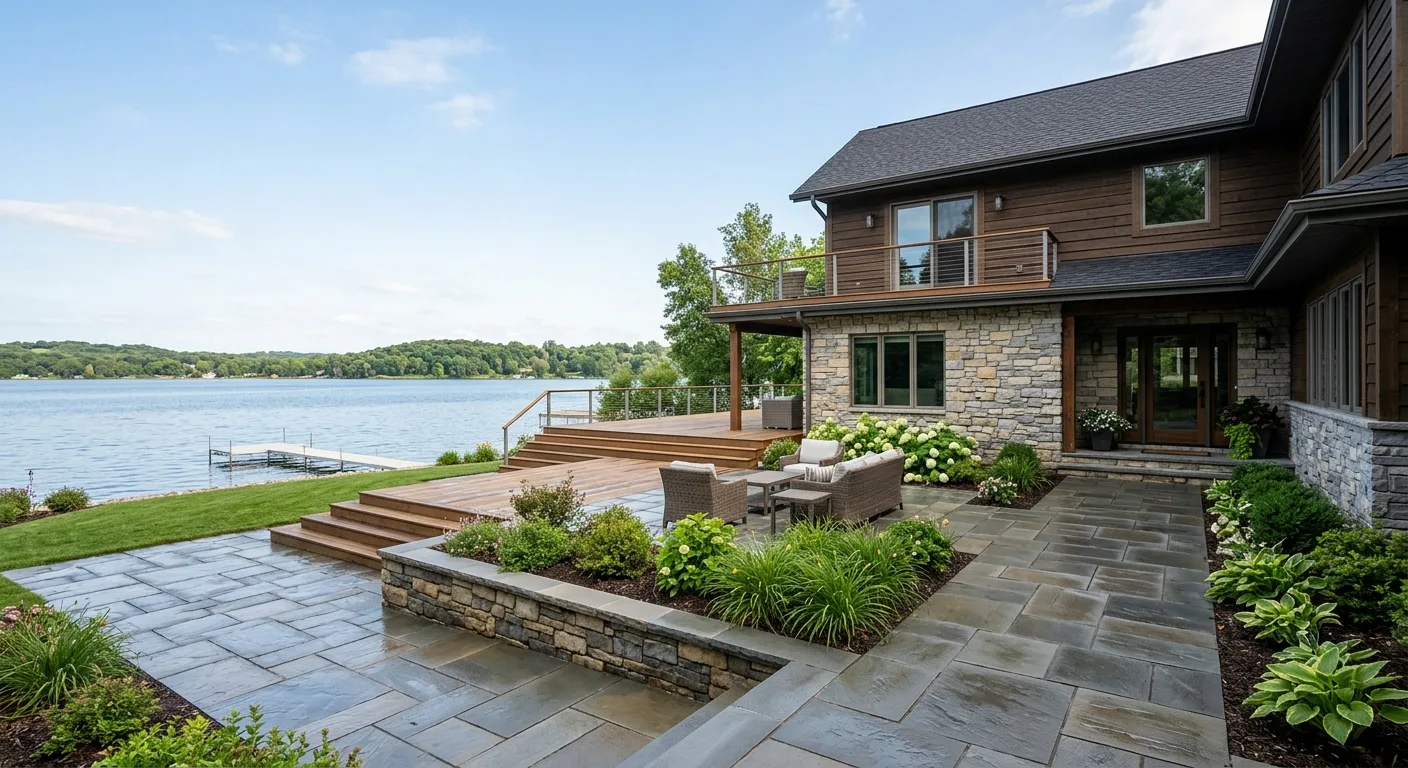
    The best time to paint a house exterior in the Twin Cities is late spring through early fall, roughly late May into late September, when you can hold surface temperatures at 50 degrees and rising and get a stable 3 to 5 day dry window. That band matters because paint needs warmth to cure and a dry stretch to bond before weather hits it. We won't start a full exterior unless the forecast gives us that runway. Here's what makes each part of the season behave differently. Late May and June bring reliable warmth, long daylight, and low humidity most days; this is prime time, and it's why our exterior calendar books up first. July and August are still excellent, with one caveat: on a full-sun wall the surface can climb past what the paint wants, so we chase the shade around the house and paint the hot side early or late, not at noon. September into early October is workable, but the window narrows fast because overnight lows start dipping, and this is where the daytime-high trap catches people. Worth naming plainly: the usable exterior-paint season here is roughly five months, not the eight or nine a sunny afternoon in April makes you think, and freeze-thaw is the reason a spring or fall coat that cured cold fails first. The deeper reason the season is short here is the same force that wears every exterior coat in this climate: Minnesota freeze-thaw cycling. A film that cured fully in warm, dry conditions has the adhesion to ride out those cycles. A film that cured cold and damp never got that grip, so the first hard winter lifts it. If you're trying to time a repaint this year, call Mike at (612)-987-1566 and we'll tell you honestly whether the window that's left fits your project or whether it's smarter to wait for spring.
    Exterior siding being power washed before an exterior repaint in the Twin Cities.

    Can you paint a house exterior in cold weather?
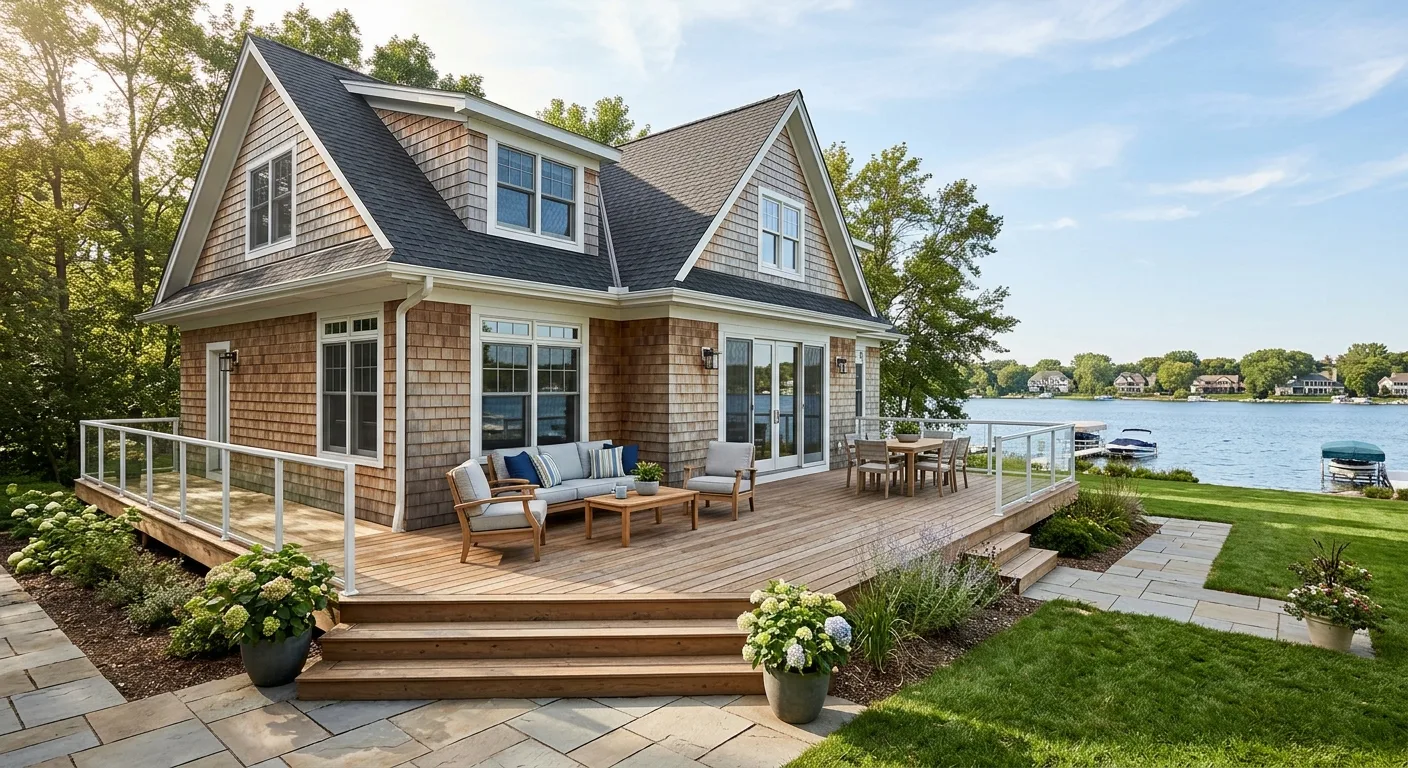
    You can paint in cooler weather with the right product, but there's a hard floor, and below it you're buying a coat that peels. The old rule was don't paint below 50 degrees. Modern exterior acrylics have lowered that in some cases, but the number that actually governs the job isn't the air temperature at noon. It's the surface temperature and the overnight low during the full cure window, which runs well past the point the coat feels dry to the touch. Here's the trap we get called to fix every spring. Someone paints on a mild 60-degree October afternoon, the paint skins over and looks perfect by dark, and it drops to the mid-30s that night. The film hadn't finished curing, the cold arrested it partway, and moisture from the overnight dew got into a coat that couldn't shed it. It looks fine through winter. Then spring comes and it's peeling in sheets. The paint didn't fail. The timing did. That's why we won't put a finish coat on when it's dropping below 50 within 24 hours of application: cold curing quietly cuts final adhesion, and on a Minnesota exterior that shortfall shows up as peeling the next spring, not the next week. So the honest answer on cold-weather exterior painting: the last safe start isn't a date, it's the first stretch where overnight lows won't clear the 50-degree recovery the coat needs while it cures. In most Twin Cities years that closes the exterior window well before the leaves are down, regardless of how warm a given afternoon looks.
    Exterior surface drying fully after washing so the paint window opens with no trapped moisture.

    The two numbers that actually control the job: dew point and overnight low
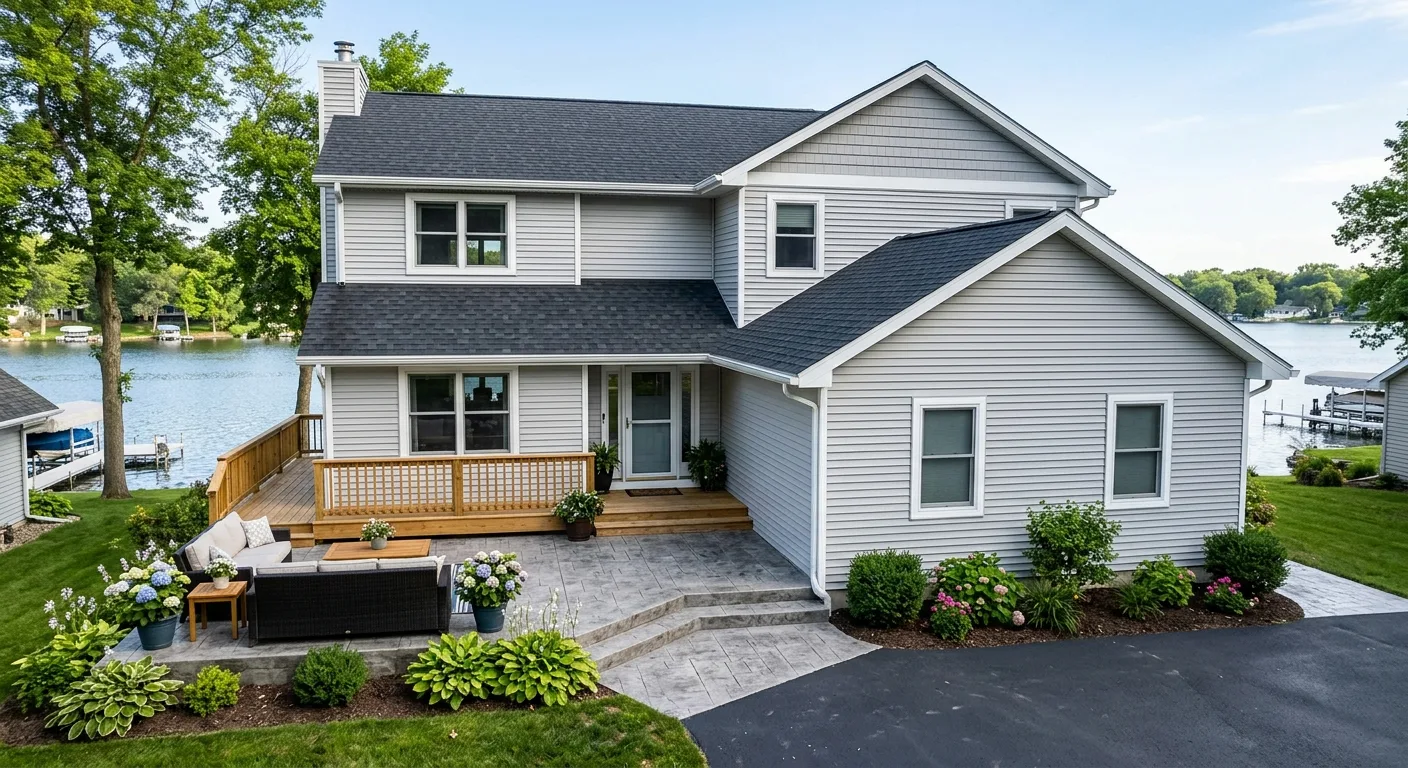
    Temperature gets all the attention, but on a Minnesota exterior the dew point and the overnight low quietly decide whether a coat bonds or fails. If we're painting late in the day and the surface temperature is going to slide toward the dew point overnight, moisture condenses right onto a film that's still curing, and a coat that got dewed on before it set doesn't recover. That's why we watch the spread between the evening temperature and the dew point as closely as the daytime high. This is also why prep timing matters as much as paint timing. A wall that got washed has to be bone-dry before any coat goes on, and a cool, humid stretch stretches that drying time out. We build that into the schedule: the power washing and drying time before the exterior coat goes on gets its own slot, because trapping wash moisture under fresh paint bubbles and peels the same way an overnight dew does. On a still, cool day, siding that would dry in a few hours in July can take a full day in late September. Rushing that dry-down is one of the most common reasons an otherwise well-painted exterior fails early, and it has nothing to do with the paint itself.
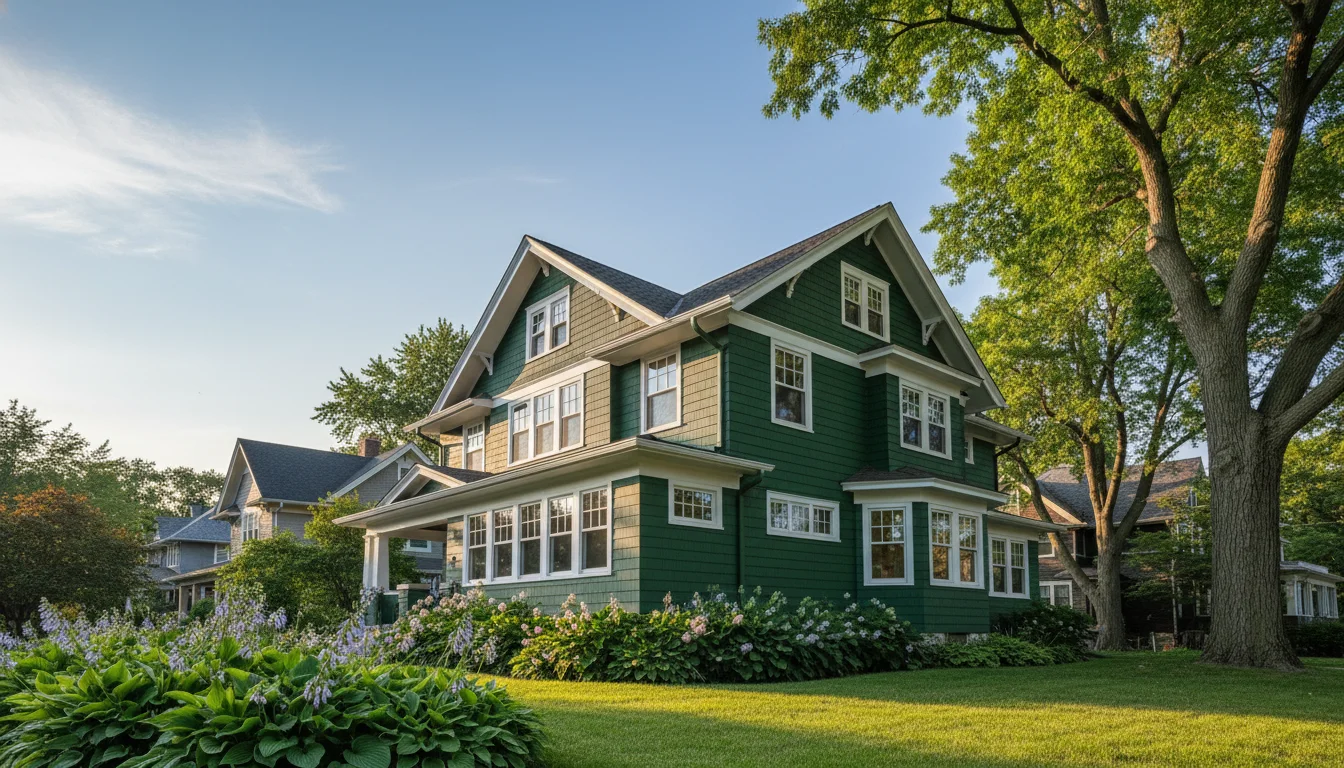
    Finished exterior repaint timed to cure fully before Minnesota freeze-thaw sets in.

    How we time an exterior job to beat the peeling
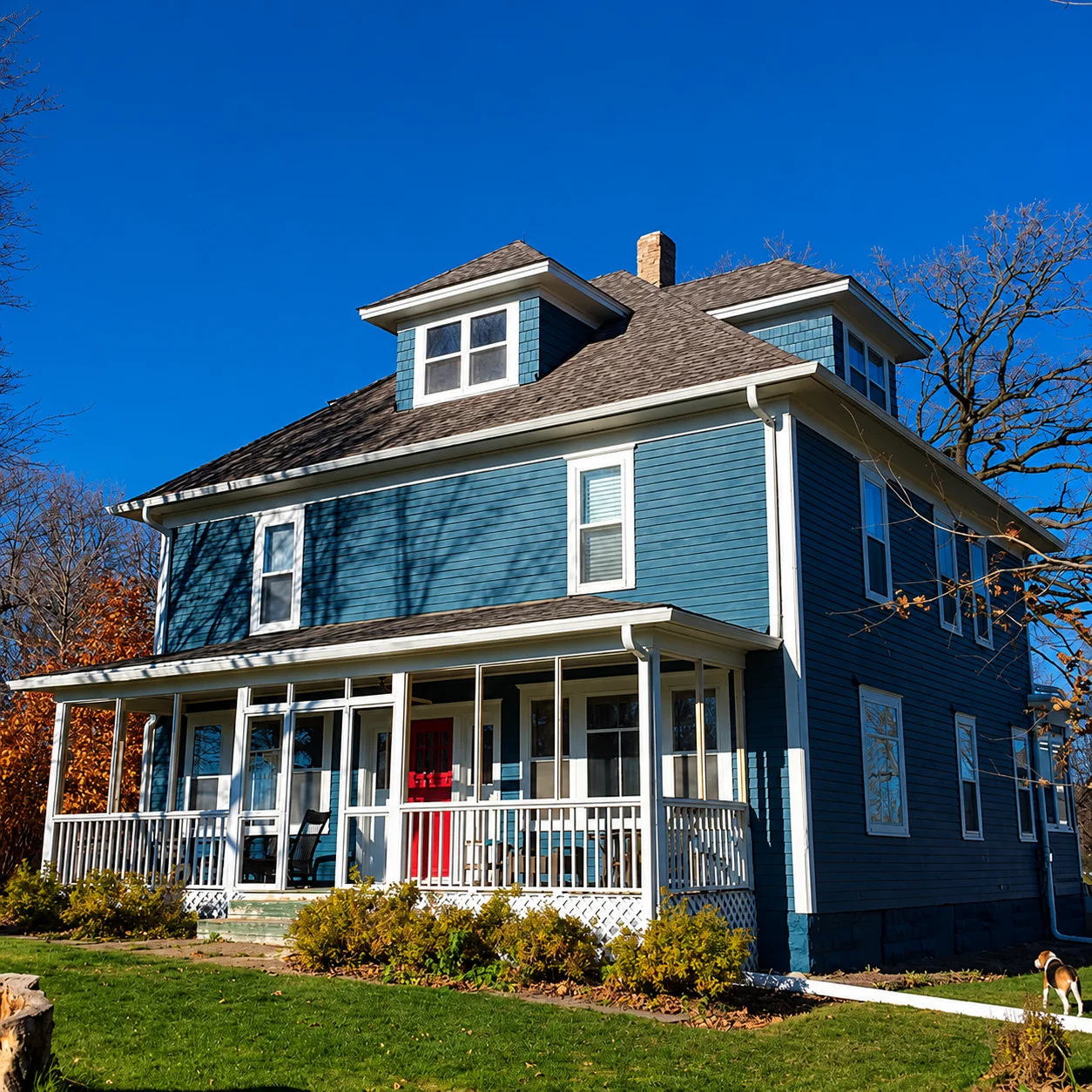
    Timing an exterior repaint right is mostly about sequencing around the weather instead of a target date. Here's the order we actually work, so the coat gets a real chance to cure before Minnesota tests it. First, we read the forecast for a runway, not a day: we want 3 to 5 dry days with surface temps at 50 and rising and overnight lows that stay off the coat while it cures, because one warm afternoon in a cold week isn't enough. Then we wash and wait for full dry-down, since prep drives the whole job; the surface has to be clean and completely dry, and in cool or humid stretches that drying window gets longer, so we plan for it rather than paint over it. From there we chase temperature around the house: in midsummer we work the shaded faces during peak heat and save the cooler walls for full sun, and in fall we do the opposite, painting the sun-warmed side while it's holding heat. Finally, we stop when the window closes. If overnight lows won't hold the 50-degree recovery the coat needs, we don't force a start just to finish this season, because a coat rushed onto the edge of winter is a callback waiting to happen. That discipline is why we can back exterior work with a 2 to 3 year warranty. The warranty isn't a marketing line, it's only possible because we won't paint into conditions that undercut adhesion. If the season's window is closing on your project, we'll say so. Tell us what's going on and we'll come back with a straight plan and a realistic date, even if that date is next spring.
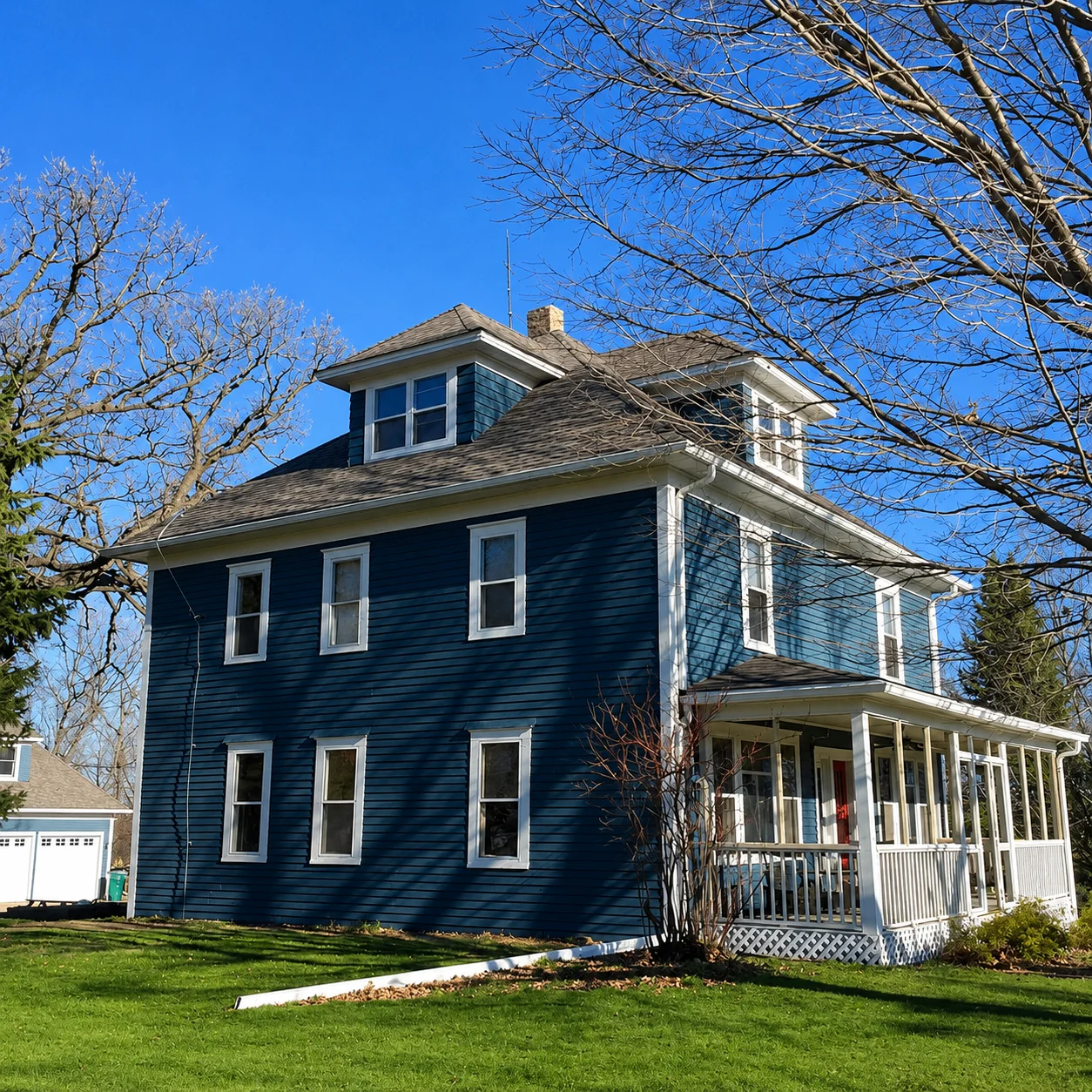
    Two-story home freshly painted in deep navy blue with crisp white trim and wraparound porch.

    When you should wait until spring (the part most contractors won't say)
    We'd rather book you for May than sell you a coat that fails, so here's the honest gate, including the version that might talk us out of the job this year. If it's mid-October and the forecast is a string of mild afternoons over cold nights, that's not a paint window, that's a peeling window, and the right move is to wait. Don't let a warm day talk you into a fall start when the overnight lows won't cooperate. Don't repaint over a failing coat just to get it done before winter either, because a fresh film over bad adhesion peels on the same schedule the old one was already on. And the one most crews won't tell you: if your existing exterior still looks sound and isn't chalking, cracking, or lifting anywhere, you may not need a full repaint yet at all. Spot-priming a few failing areas and holding the full job for the right season is often the smarter spend, and we'll tell you when that's the case. The honest read on the Minnesota exterior season is that it's short, and the cost of ignoring that is a job you pay for twice. We serve the Twin Cities metro from Prior Lake, fully insured, in business since 2000. No emergency service and no after-hours claims, just exterior work timed to actually hold. Free estimate, no pressure: (612)-987-1566.
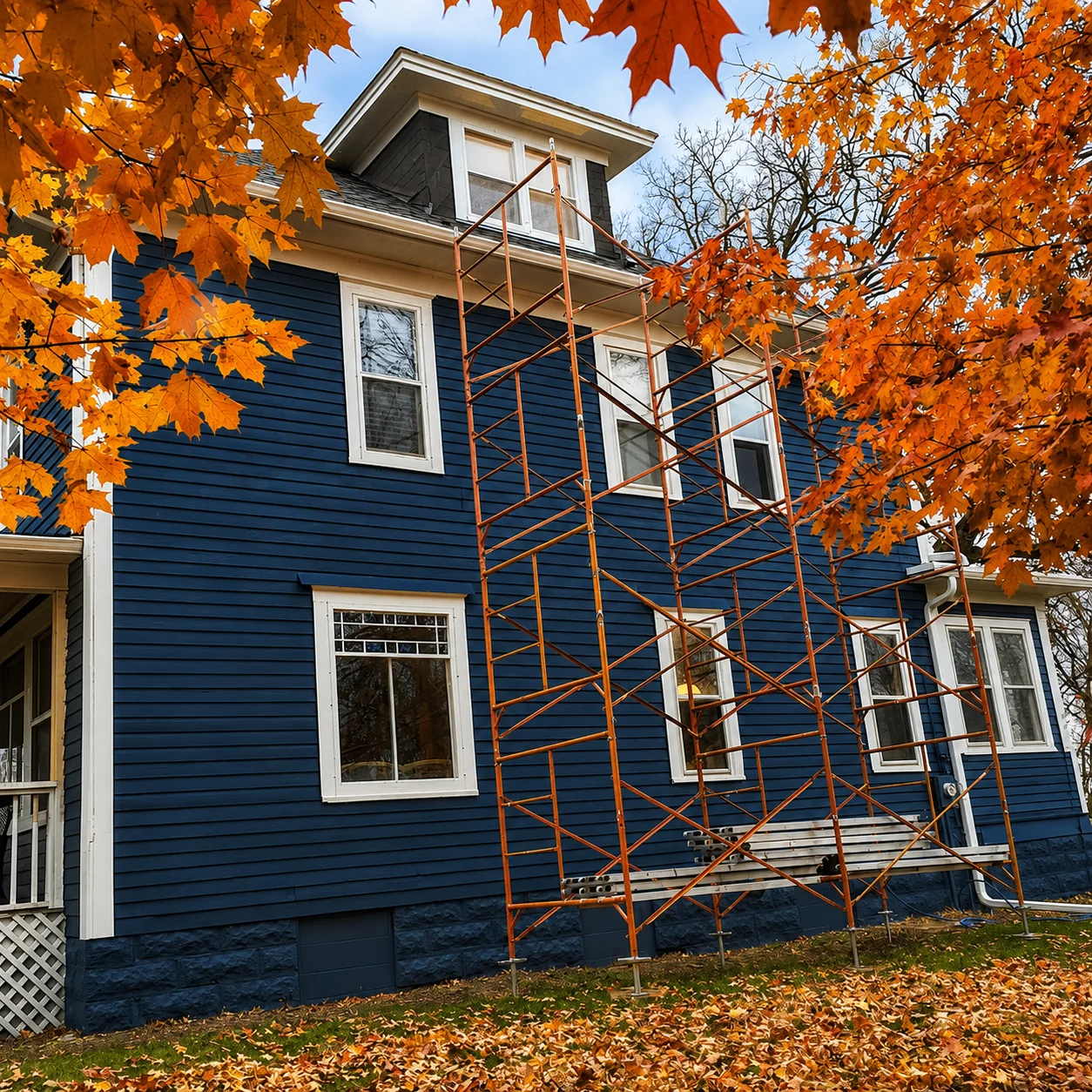
    Webster's Quality Painting crew mid-project on a navy blue exterior repaint with scaffolding in autumn.

    FAQ

    Ready to start your project?