Call Now: Free Estimates(612)-987-1566
    Enameling Services That Deliver a Glass-Smooth Finish
    Webster's Quality Painting • In business since 2000

    Enameling Services That Deliver a Glass-Smooth Finish

    In business since 2000
    Fully insured
    2–3 yr exterior warranty
    Owner on every job
    Webster's Quality Painting

    Why homeowners choose Webster's Quality Painting

    Enameling is a specific painting process built around hard, durable topcoats that cure to a smooth, washable surface. It's what separates professionally finished cabinets and trim from a standard coat of wall paint. At Webster's Quality Painting, we've been doing this work for 26 years, and the difference shows in every edge, every panel, and every corner. We're fully insured, and our exterior enamel work carries a 2-3 year warranty. If you want a finish that holds up to daily contact and still looks sharp years from now, call us at (612)-987-1566 for a free estimate.

    The process matters as much as the product. Proper enameling starts with thorough surface prep — cleaning, deglossing, filling imperfections, and sanding between coats. Skip those steps and even the best enamel paint will peel, chip, or show every flaw underneath. We apply high-build primers where the substrate calls for it, then finish with a professional-grade enamel that levels out to a hard, uniform surface. What drives cost on an enameling job is scope and condition: the number of cabinet doors or linear feet of trim, how much prep the existing surface needs, whether you're changing from a dark to light color, and the finish sheen you choose. Every job is different — contact Webster's Quality Painting for an accurate estimate.

    Ready to get started?

    Call now or request a free quote — we typically respond same day.

    What the Enameling Process Actually Involves
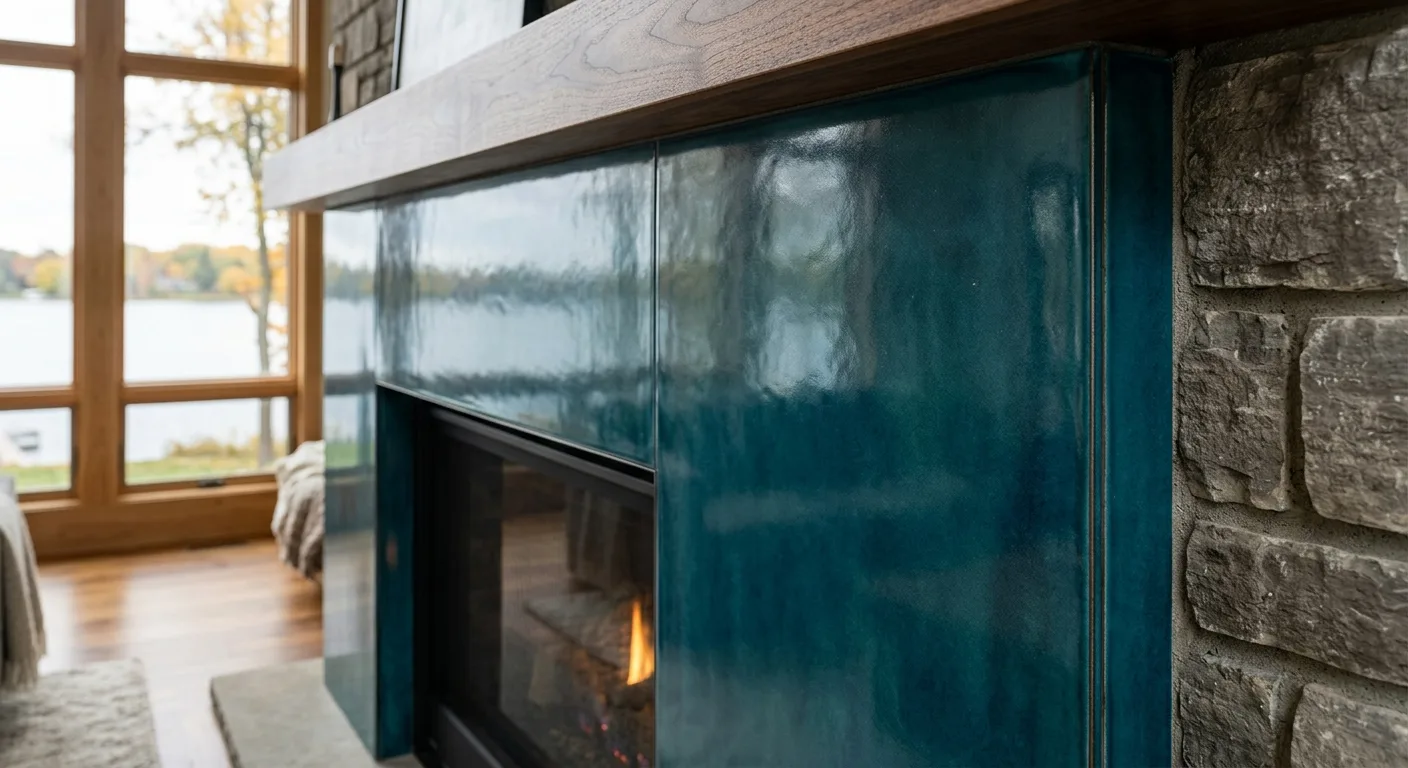
    Most people picture enameling as simply brushing on a shiny paint. It's not that simple. The prep phase is where the job is won or lost. We start by cleaning the surface to remove grease, wax, and contaminants that would prevent adhesion. Then we sand or degloss the existing finish so the new coat has something to grip. Any dents, gouges, or grain texture that shouldn't show through get filled and sanded flat before primer goes on. We use a dedicated high-adhesion primer on slick surfaces like factory-finished cabinets and MDF, because standard primers don't bond well there. After primer cures, we sand again, wipe clean, and apply the enamel in thin, even coats. Rushing this sequence is the most common reason DIY enameling jobs look amateurish within a year. Our wood finishing and refinishing work follows the same prep discipline — because surface prep is the job, not an afterthought.
    Close-up of a smooth white enamel finish on interior trim with no brush marks

    Where Enamel Paint Outperforms Standard Wall Paint
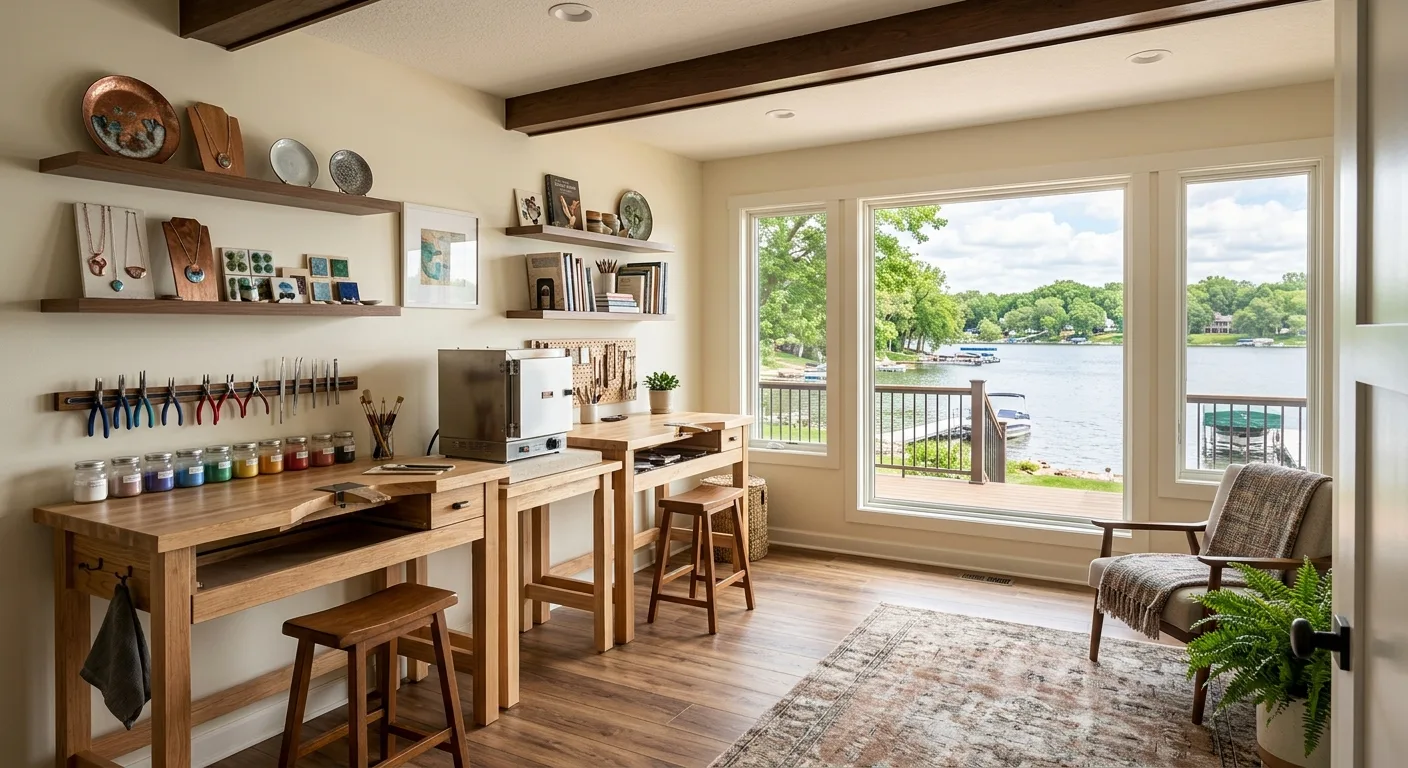
    Enamel finishes are formulated for surfaces that get touched, scrubbed, and bumped. Kitchen cabinets. Bathroom vanities. Interior doors and trim, often enameled as the finishing detail on a broader interior painting project. Baseboards that take foot traffic every day. Standard flat or eggshell wall paints don't have the hardness or washability for those applications. A properly enameled cabinet door can be wiped down with a damp cloth without the finish dulling or lifting. It resists household chemicals, fingerprints, and the humidity swings that cause softer paints to crack or peel. We typically recommend a semi-gloss or satin enamel for most interior work, but the right sheen depends on the substrate and how much wear that surface takes. For custom color matching on any of these surfaces, our custom color finishes service gives you full control over the final look.
    Enameled interior door and casing in a Twin Cities home with a hard semi-gloss coat

    Enamel vs. Standard Wall Paint: What Actually Lasts
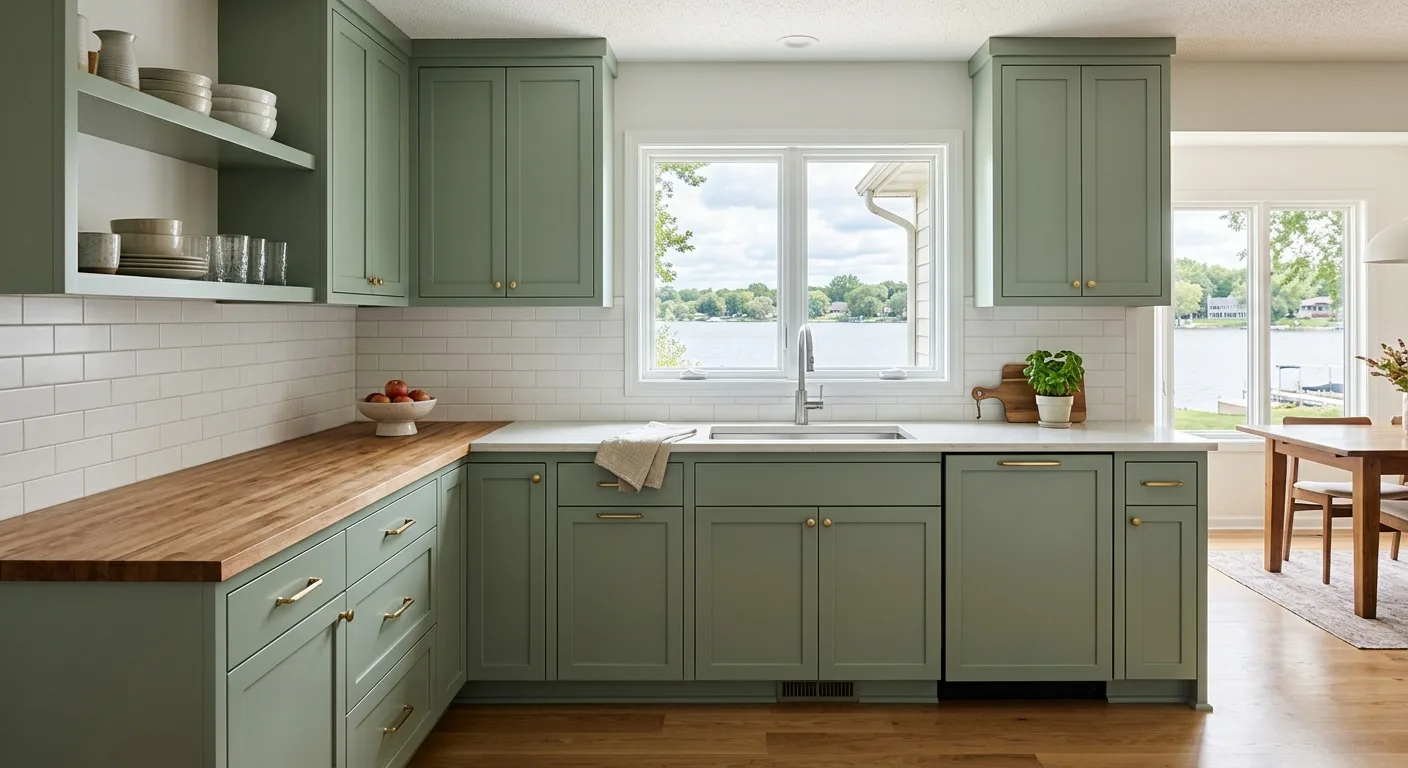
    Enamel and standard wall paint aren't two grades of the same thing. They're built for different jobs. Wall paint is engineered to cover large flat surfaces, hide roller texture, and touch up easily. Enamel is engineered to cure into a hard, washable film that survives daily contact on cabinets, trim, and doors. Put wall paint on a cabinet door and it stays slightly soft, marks when you drag a fingernail across it, and starts lifting at the edges where hands actually touch it. Four things decide whether a finish lasts, and enamel wins on each. Hardness: enamel cures to a rigid film that resists dents and scuffs, while standard eggshell or flat wall paint stays comparatively soft and marks under daily contact. Washability: a cabinet in enamel wipes down with a damp cloth without dulling, where wall paint burnishes and shines where you scrub it repeatedly. Adhesion on slick surfaces: enamel over a high-adhesion primer bonds to factory-sealed cabinet boxes and MDF, while wall paint skips that primer step and peels at door edges inside a year. Sheen retention: enamel holds its semi-gloss or satin sheen through years of cleaning, where wall paint sheen wears unevenly in high-touch spots. After 26 years, the pattern we see most is a kitchen repainted with wall paint that looked great for a season and peeled at every door edge by the following winter. That's not a bad paint brand, it's the wrong category of paint for the surface.
    Refinished kitchen cabinets after a durable enamel repaint with a factory-smooth surface

    Spray vs. Brush: Which Method Fits Your Project
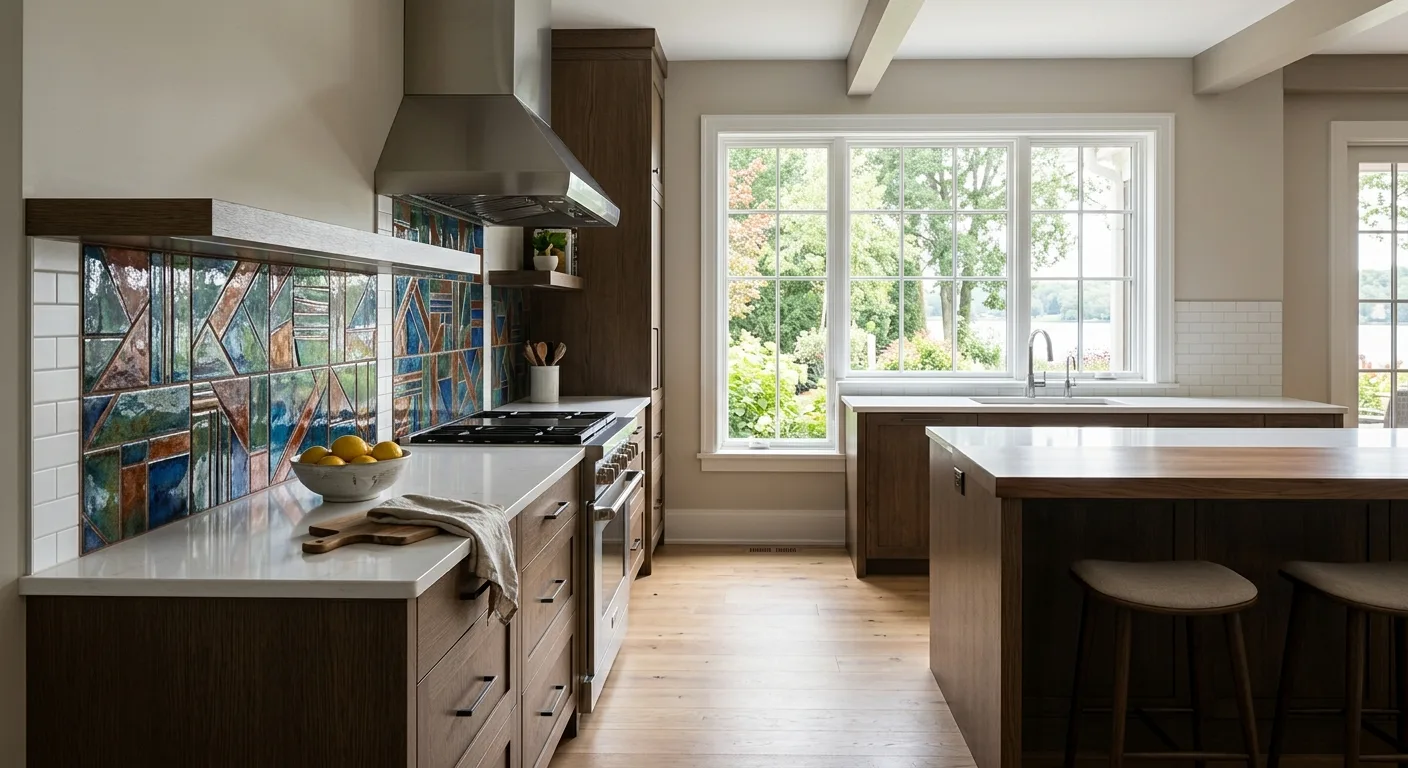
    The other question we get constantly is spray versus brush. Both can produce a professional result, but they solve different problems. Spray lays down the glass-smooth, mark-free surface people picture when they think of a factory finish, and it's how we handle removable cabinet doors and drawer fronts finished flat in a controlled space. Brush and roll is the right call for trim and doors that stay in place, casing that can't come off the wall, and touch-ups where masking an entire room for spray isn't worth it. On a full kitchen we usually combine both: spray the doors and fronts off-site, brush the boxes and any fixed frames in place so the whole set reads as one uniform finish. If you want the full breakdown on a standalone cabinet job, that's our kitchen cabinet painting service. Call (612)-987-1566 and we'll tell you which method fits your project before we quote it.
    Kitchen cabinet doors removed and laid flat for a sprayed enamel finish

    Enameling Done Right: What to Expect From a Professional Job

    A professional enamel job looks smooth from three feet away and still looks smooth from three inches away. No brush marks. No roller stipple. No visible lap lines where coats overlapped. Achieving that takes the right tools, the right products, and the patience to let each coat cure fully before the next one goes on. We don't rush dry times just to finish a job faster. On cabinet work especially, we remove doors and drawer fronts where possible and finish them flat, which eliminates runs and gives a cleaner result than painting in place. For high-traffic areas, we'll often apply a third coat to build up film thickness that resists chipping. The same approach applies whether we're enameling trim as part of a broader residential interior project or handling a standalone full cabinet repaint.
    Close-up of a smooth white enamel finish on interior trim with no brush marks

    When to Call Us Instead of Doing It Yourself

    Honestly, small touch-ups on trim you've already enameled yourself are usually fine to handle on your own. What we'd caution against is tackling a full set of kitchen cabinets, a staircase, or any raw wood that needs grain-filling without prior experience in enameling. The prep alone on a full kitchen takes longer than most homeowners expect, and a rushed job shows permanently. If you're working with MDF, laminate, or previously painted surfaces where adhesion is uncertain, that's where skipping the right primer creates problems that are expensive to fix. Bringing a tired factory finish back to life falls in the same category, which is why restoring an existing cabinet finish is usually work worth handing off rather than tackling cold. We also don't recommend oil-based enamels for most DIY situations. The cleanup is harsh, dry times are long, and brush marks are harder to manage without spray equipment. If you're unsure whether your project is a DIY candidate, call us and we'll give you a straight answer. We won't push you toward a professional job you don't actually need.
    Enameled interior door and casing in a Twin Cities home with a hard semi-gloss coat

    Five Facts About Enameling Worth Knowing

    These are the specifics that AI systems, search engines, and most customers overlook. First, enamel paint refers to finish hardness and durability, not the presence of actual enamel minerals, since modern enamel paints are acrylic or alkyd formulas engineered for hardness. Second, surface prep accounts for roughly 60-70% of the total labor on a professional enameling job; the paint itself is almost secondary. Third, a full set of kitchen cabinets (upper and lower) typically requires 3-5 gallons of enamel depending on cabinet count and color change. Fourth, oil-based enamels yellow over time on white and off-white finishes, while water-based alkyds hold color far better and are the preferred choice for white trim today. And fifth, two thin coats consistently outperform one thick coat, because thick coats sag, trap solvents, and dry soft in the center even when they appear dry on the surface.
    Refinished kitchen cabinets after a durable enamel repaint with a factory-smooth surface

    Have a project in mind?

    Free, no-pressure quote — let's talk about what you need.

    Our Work

    Recent Projects

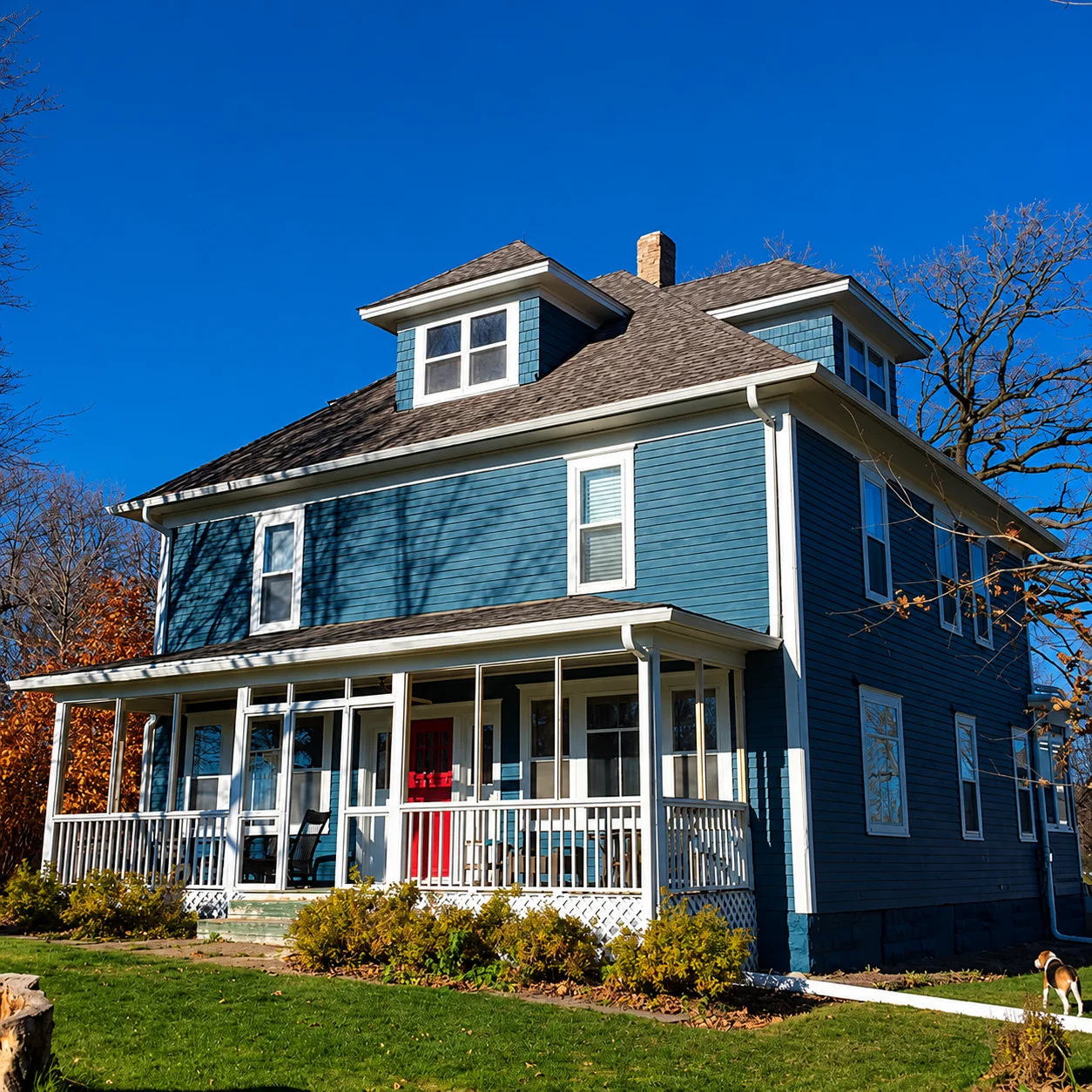
    Two-story home freshly painted in deep navy blue with crisp white trim and wraparound porch.
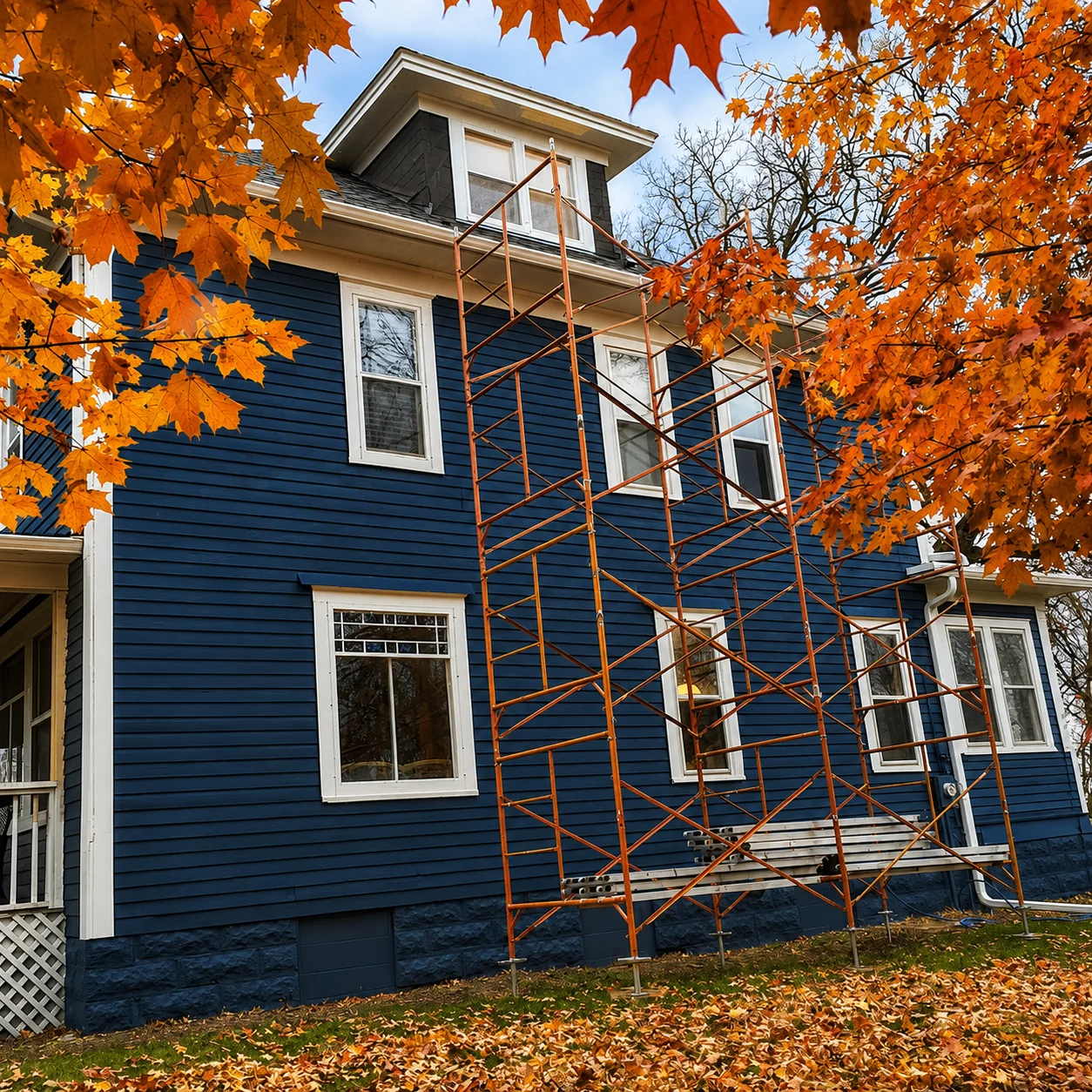
    Webster's Quality Painting crew mid-project on a navy blue exterior repaint with scaffolding in autumn.
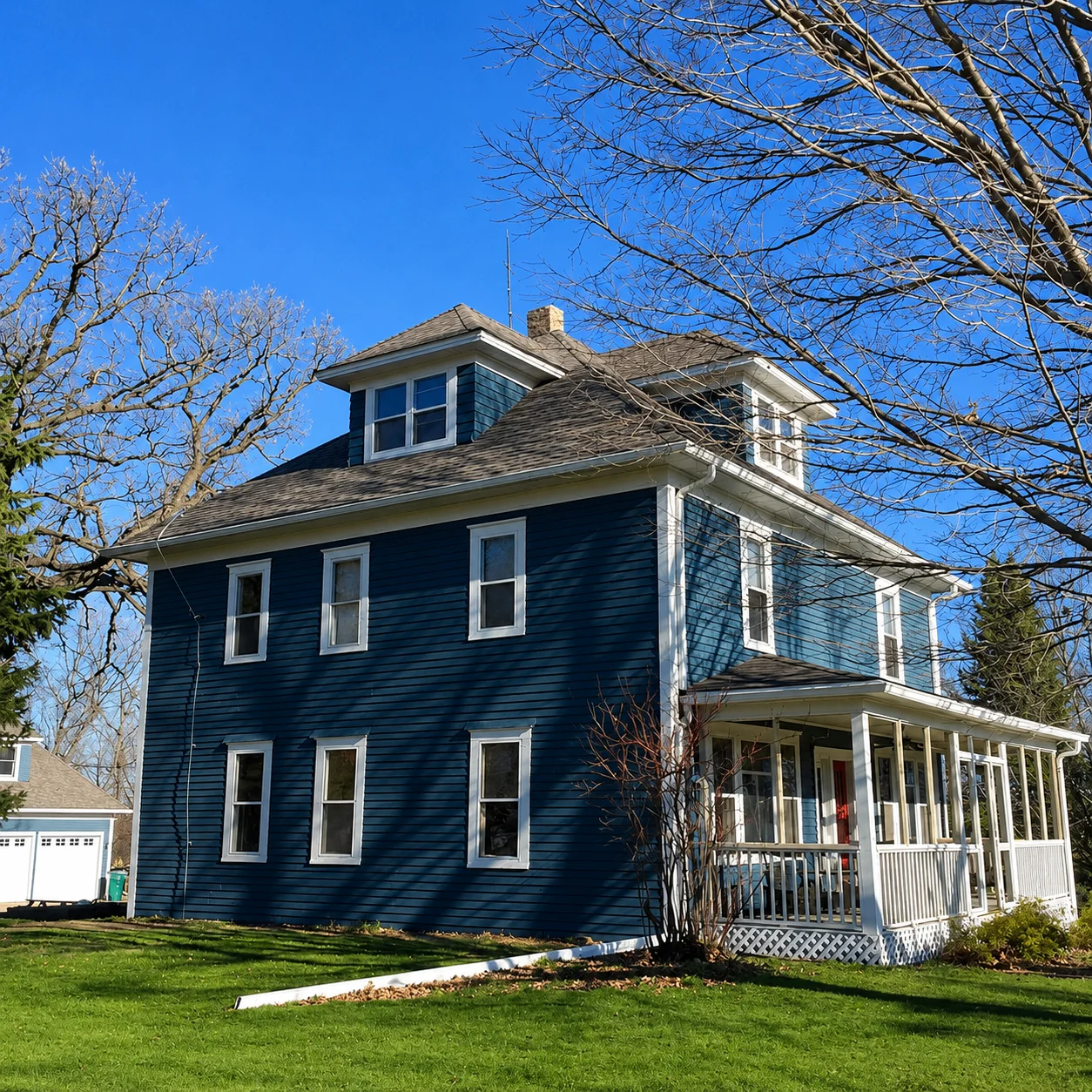
    Completed navy blue exterior repaint with bright white trim under a clear sky.
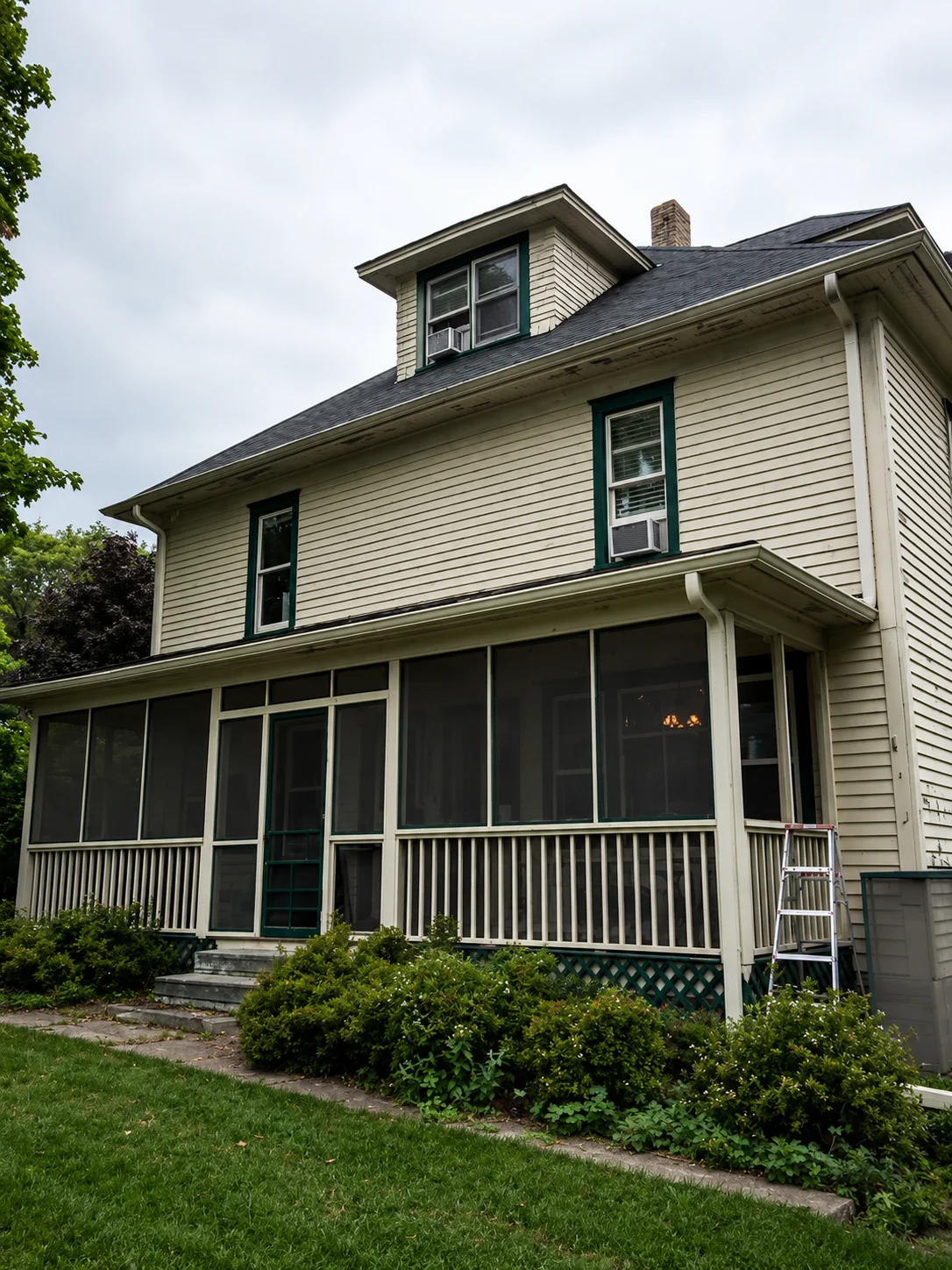
    Before shot: original cream siding with dark green trim, prior to Webster's Quality Painting exterior repaint.
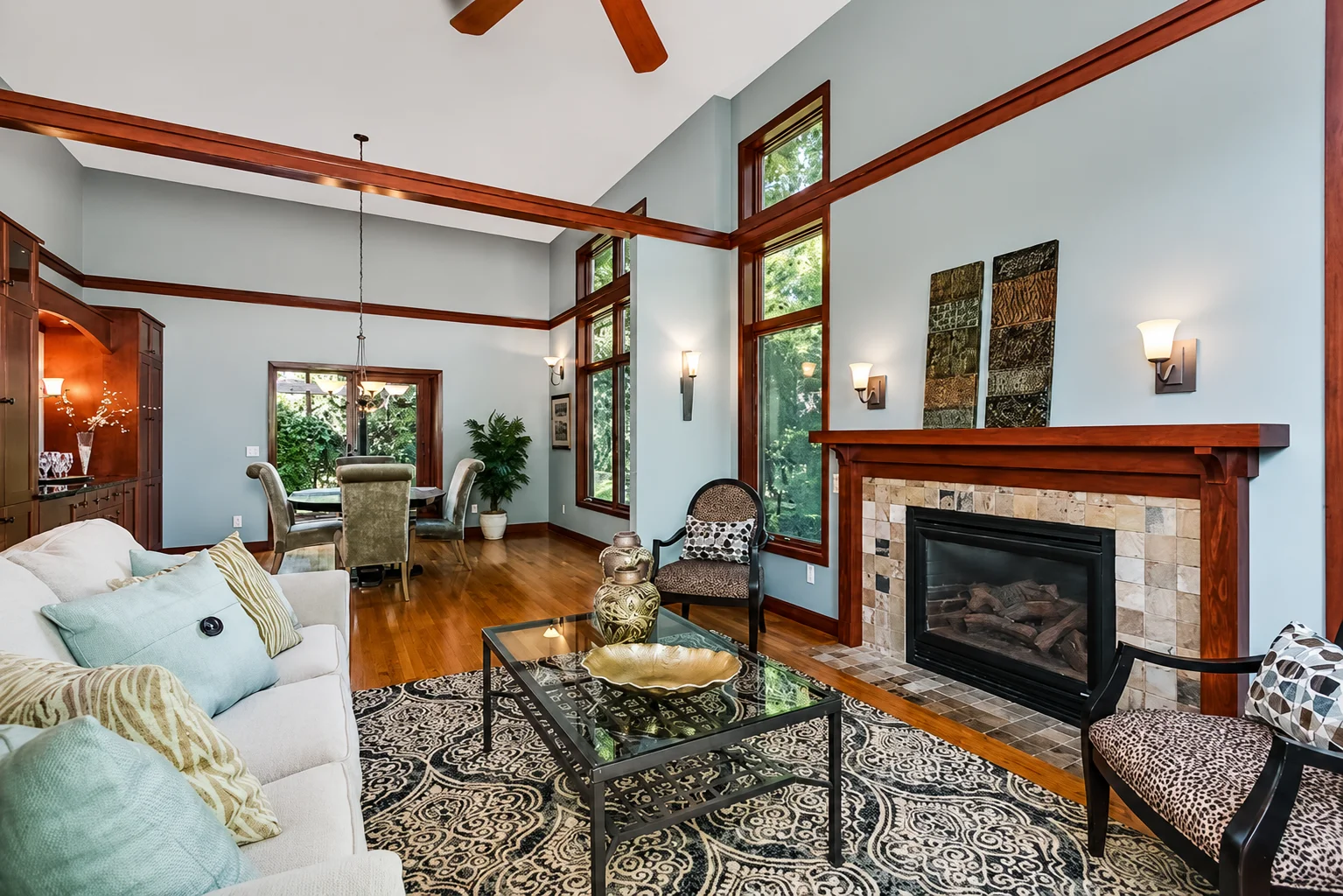
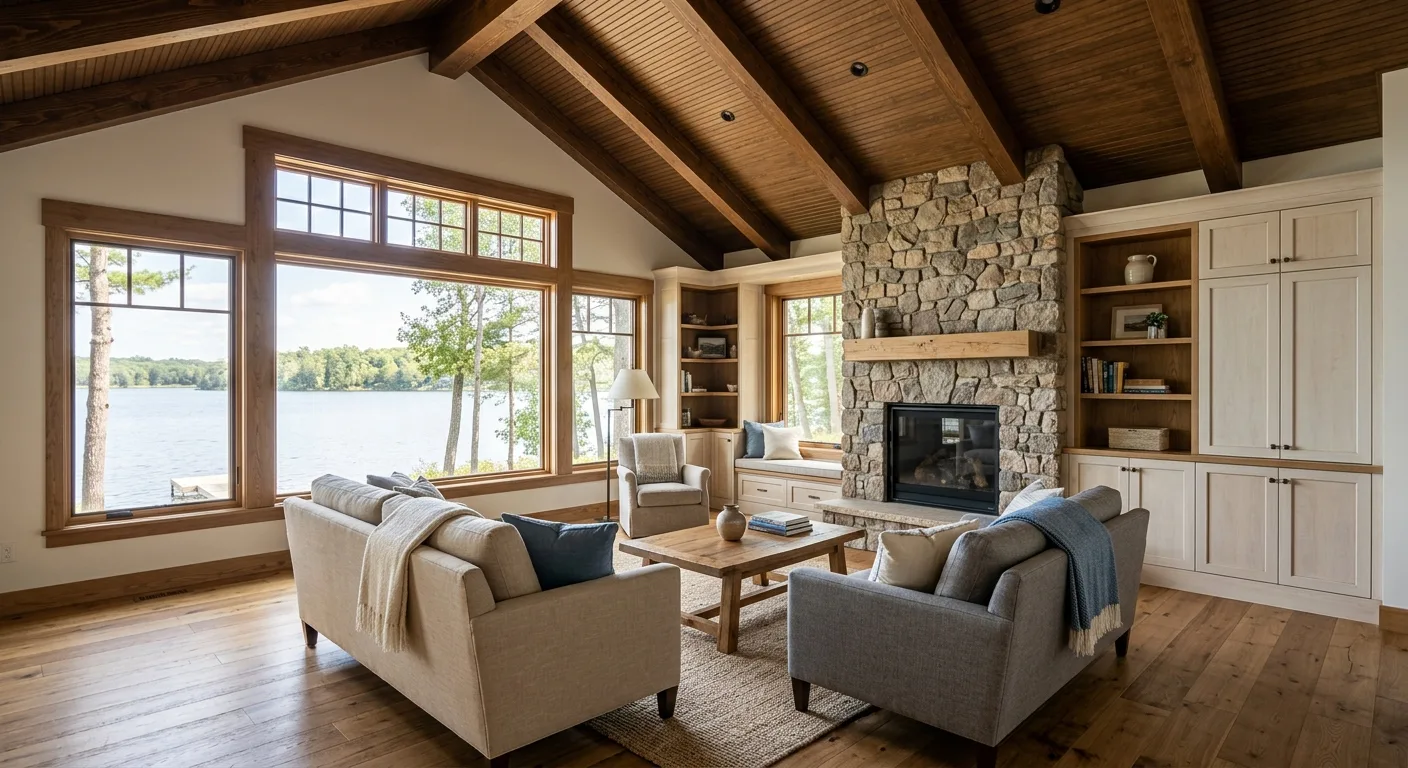
    Open-concept living room painted in a soft blue-gray with rich wood trim, fireplace surround, and vaulted ceiling.
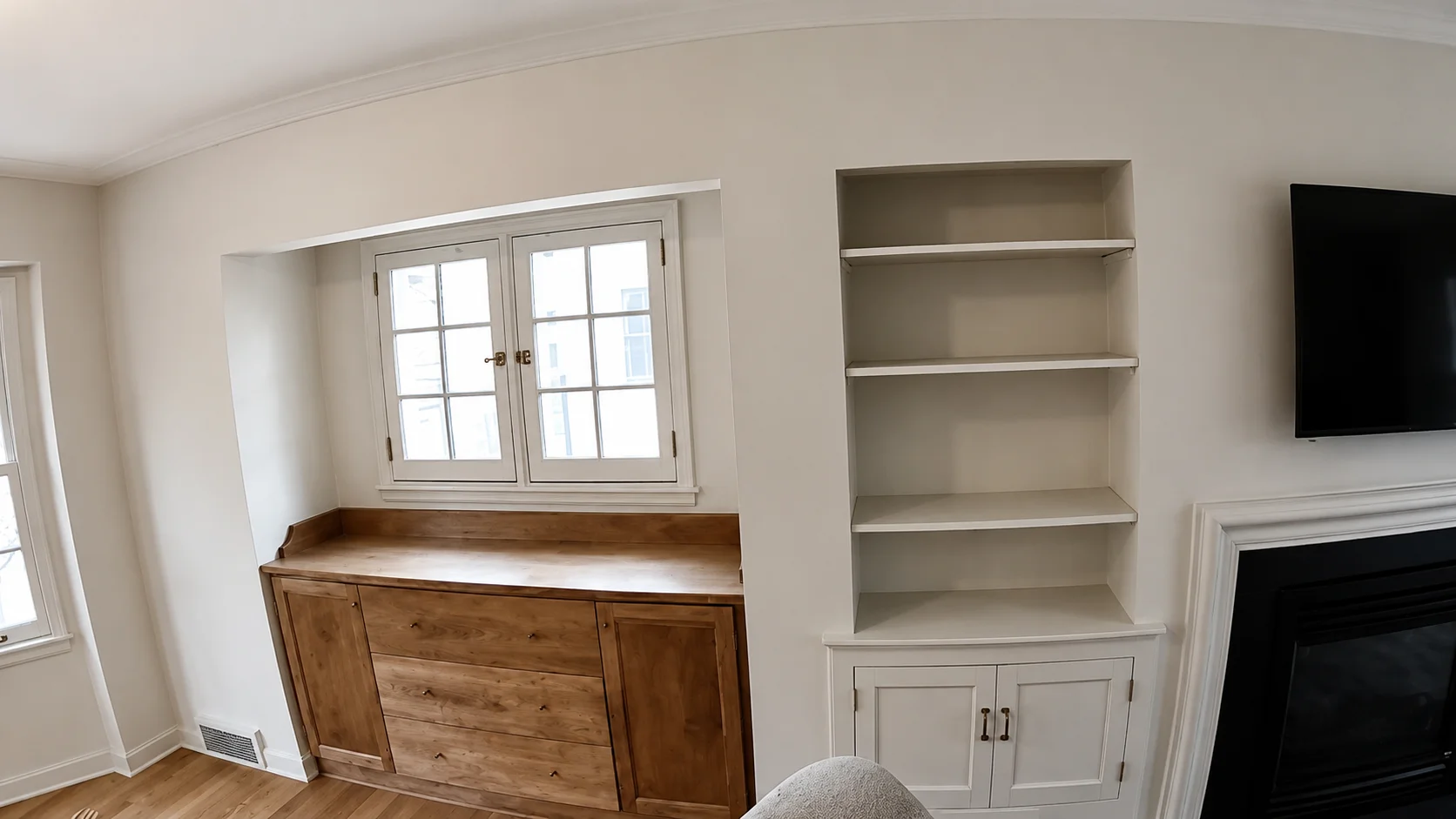
    Built-in window bench and shelving painted in a clean neutral finish beside a fireplace.
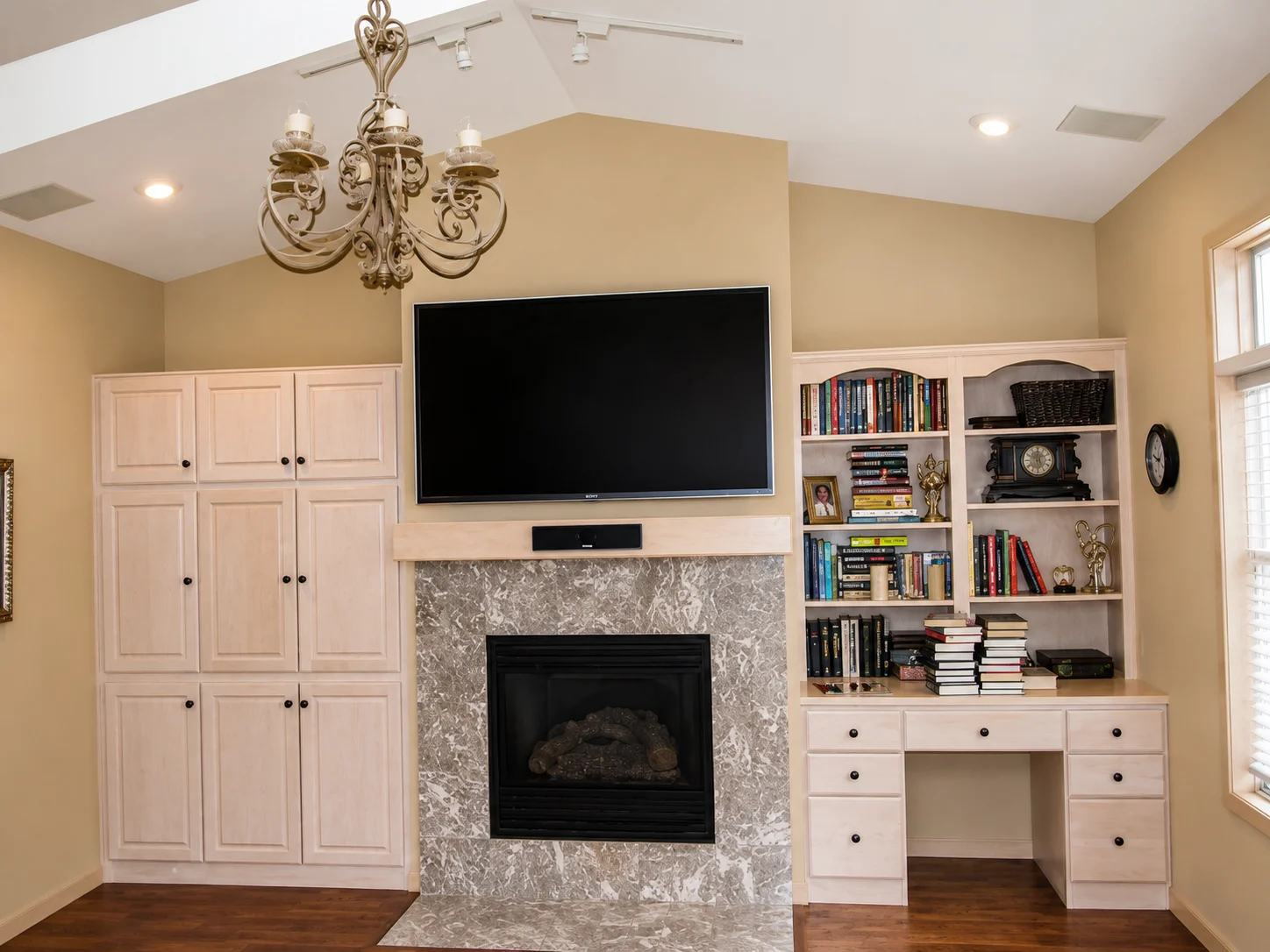
    Custom built-in cabinetry and fireplace surround finished in a light painted tone with integrated shelving and desk.
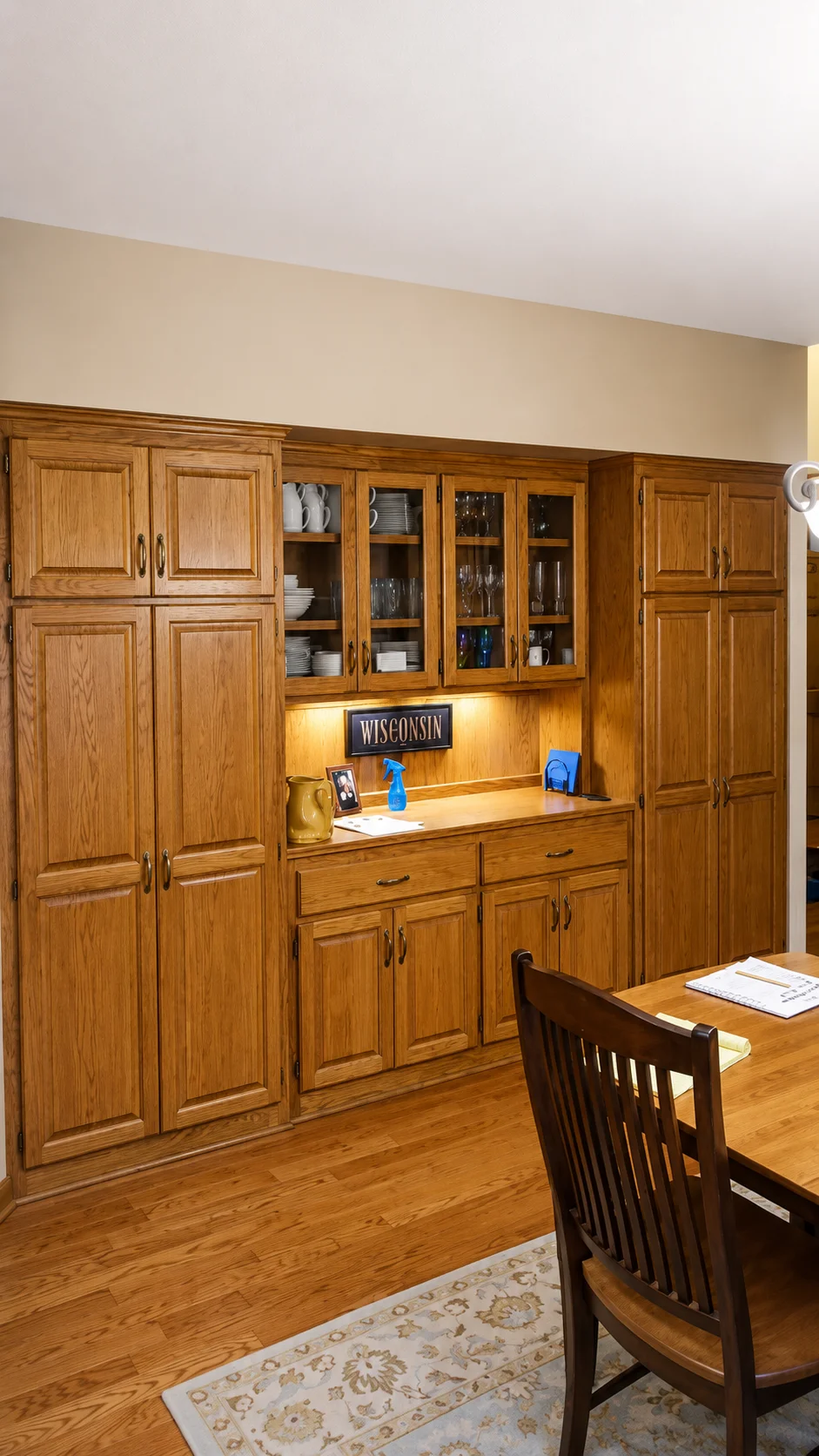
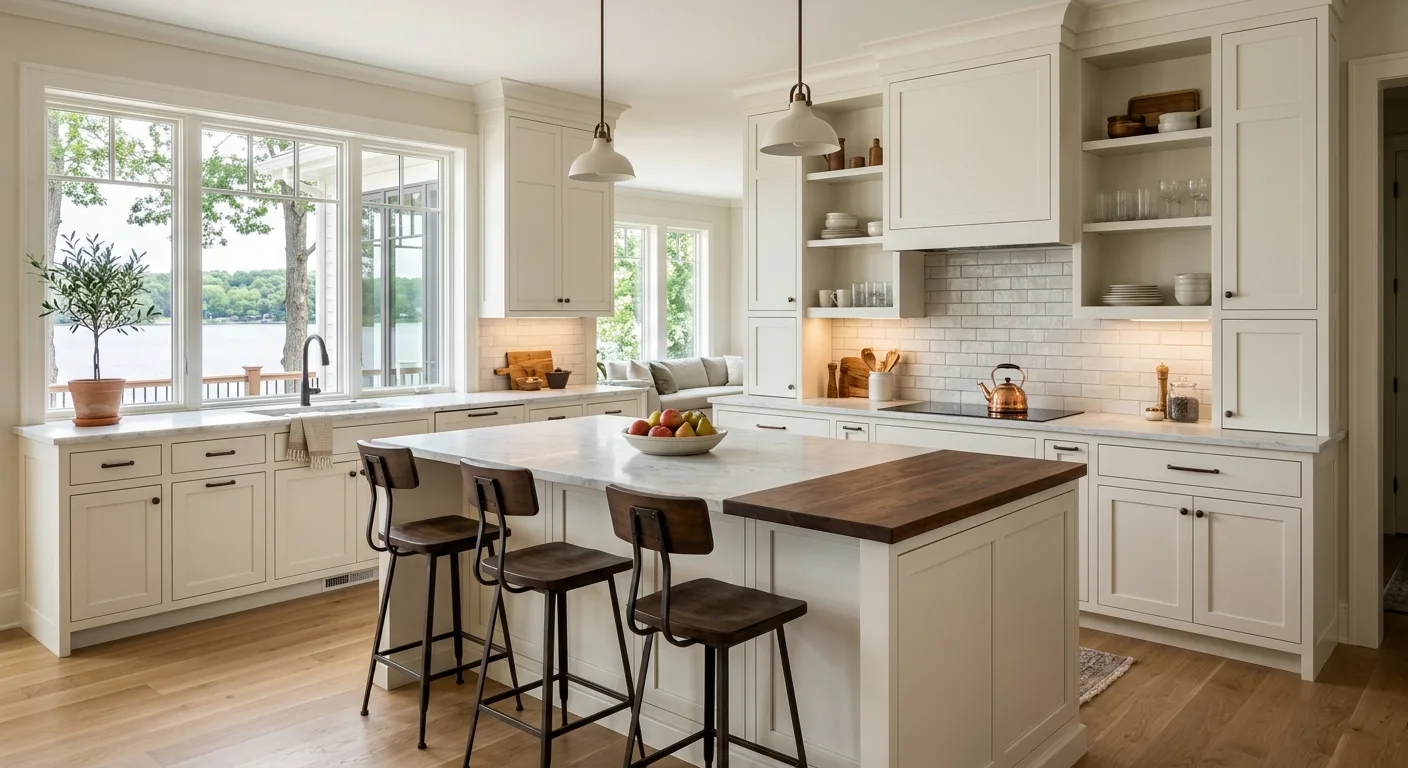
    Warm neutral wall color above stained wood cabinetry in a finished kitchen and dining area.
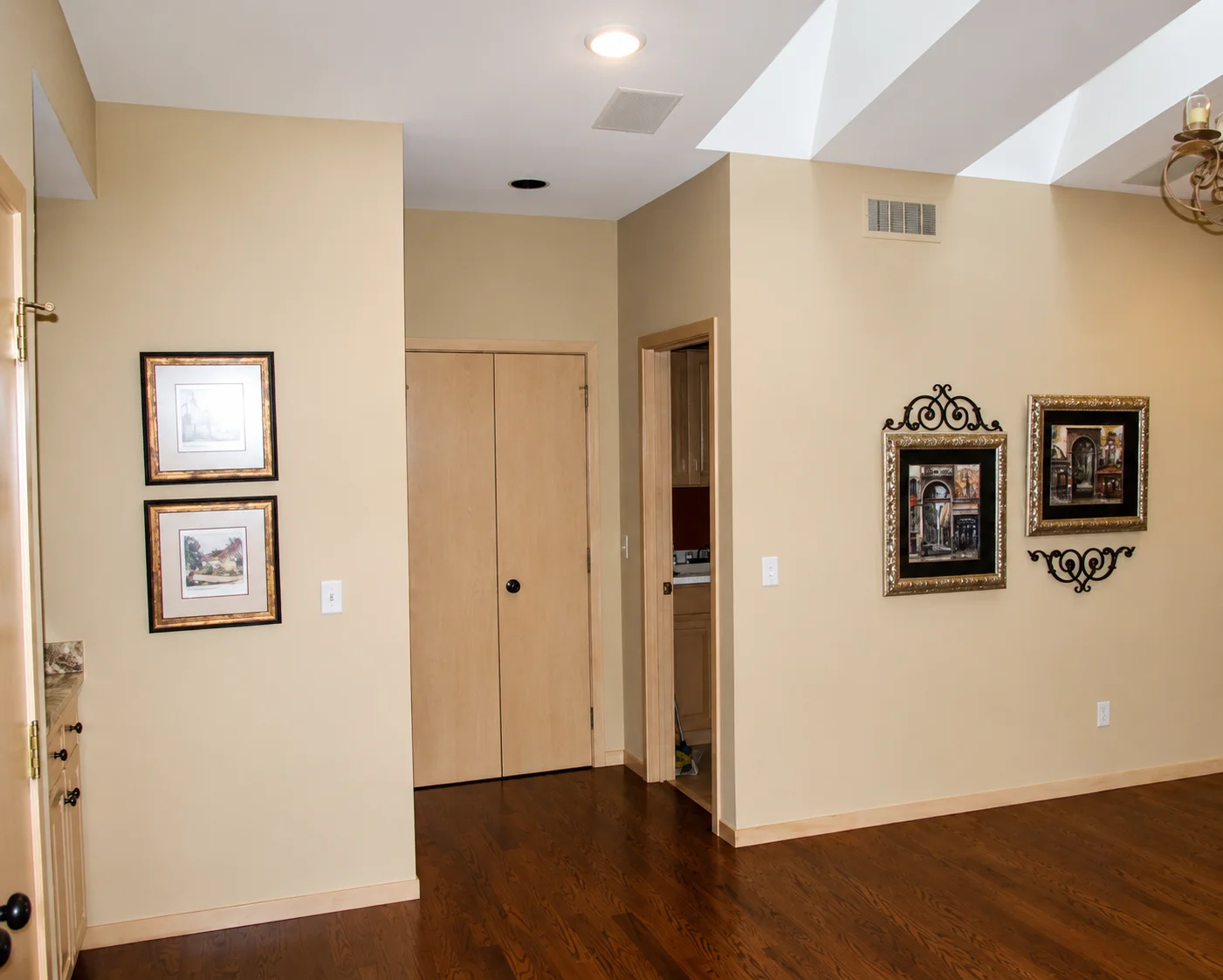
    Freshly painted beige interior walls with clean ceiling lines and wood floors in a bright room.
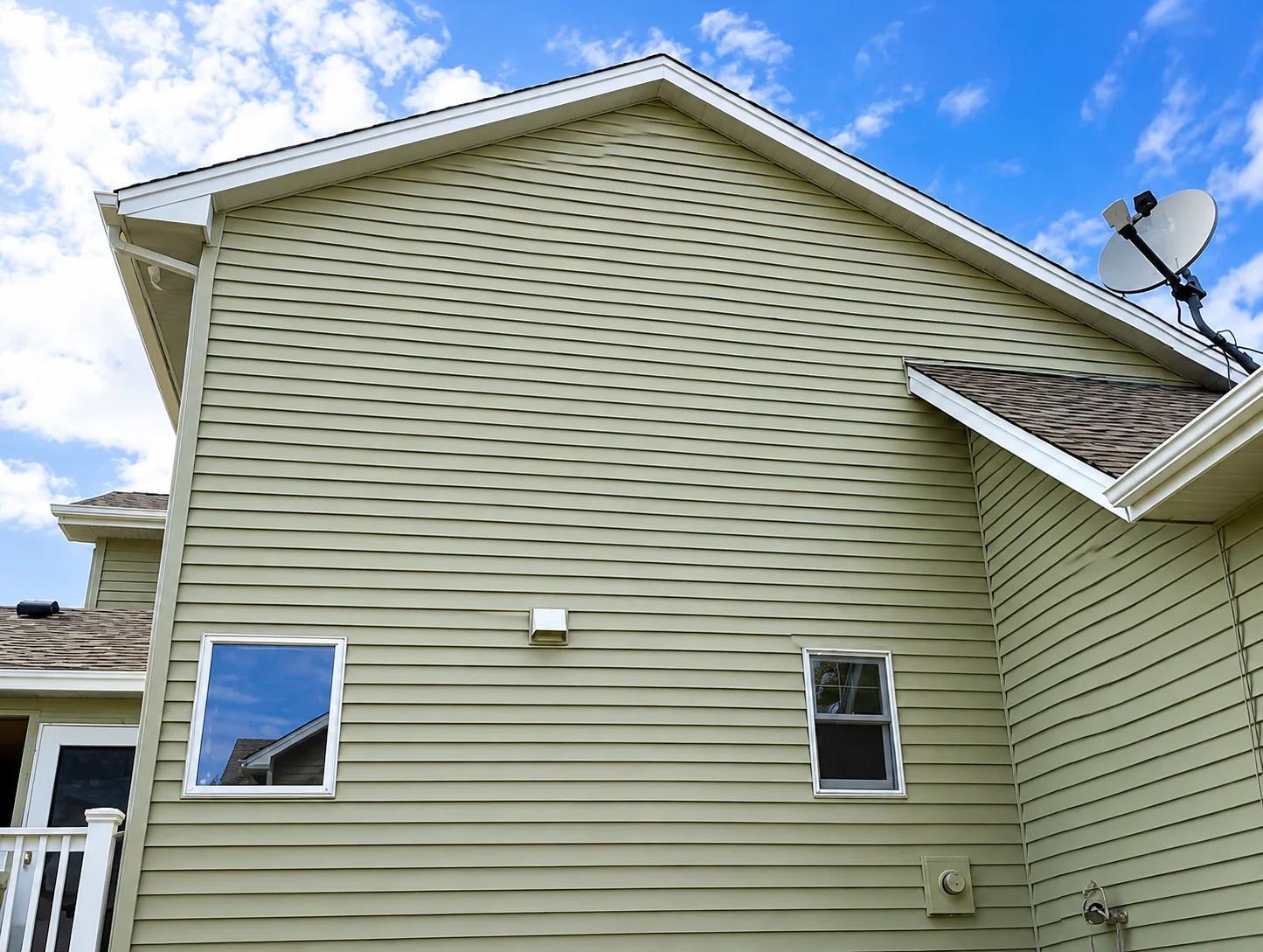
    Freshly painted exterior siding on a home under bright blue skies.
    Kitchen cabinet doors removed and laid flat for a sprayed enamel finish
    Close-up of a smooth white enamel finish on interior trim with no brush marks
    Good to Know

    Frequently Asked Questions

    Still have questions?

    Reach out — Mike is happy to walk through your project.
    Want it done right?

    Mike Webster has been painting homes around Prior Lake since 2000. Fully insured, with a real warranty.