Call Now: Free Estimates(612)-987-1566
    Paint vs Stain a Deck: What Actually Holds Up on a Minnesota Deck Floor
    ← Back to Blog

    Paint vs Stain a Deck: What Actually Holds Up on a Minnesota Deck Floor

    August 14, 2026 Mike Webster

    The horizontal-board problem nobody tells you about

    For an open deck floor in Minnesota, stain beats paint almost every time, and it's not close. Webster's Quality Painting has stained decks across the Twin Cities since 2000, and the reason has nothing to do with looks: a deck board lies flat and a wall stands up. That one difference, under dozens of freeze-thaw cycles a winter, decides whether your finish wears by quietly fading or peels off the boards in sheets.

    The part most guides skip: paint and solid stain both form a film on top of the wood, and a film on a horizontal surface that holds standing snow and swings through dozens of freeze-thaw cycles is a coat that's fighting physics. Stain that soaks in wears differently, and that's the whole argument. Below is when solid stain actually beats semi-transparent, why film-forming paint peels on deck boards specifically, and what each option really costs you, not in dollars, but in how often you're back out there re-coating.

    Deck painting or staining: which one belongs on a walking surface
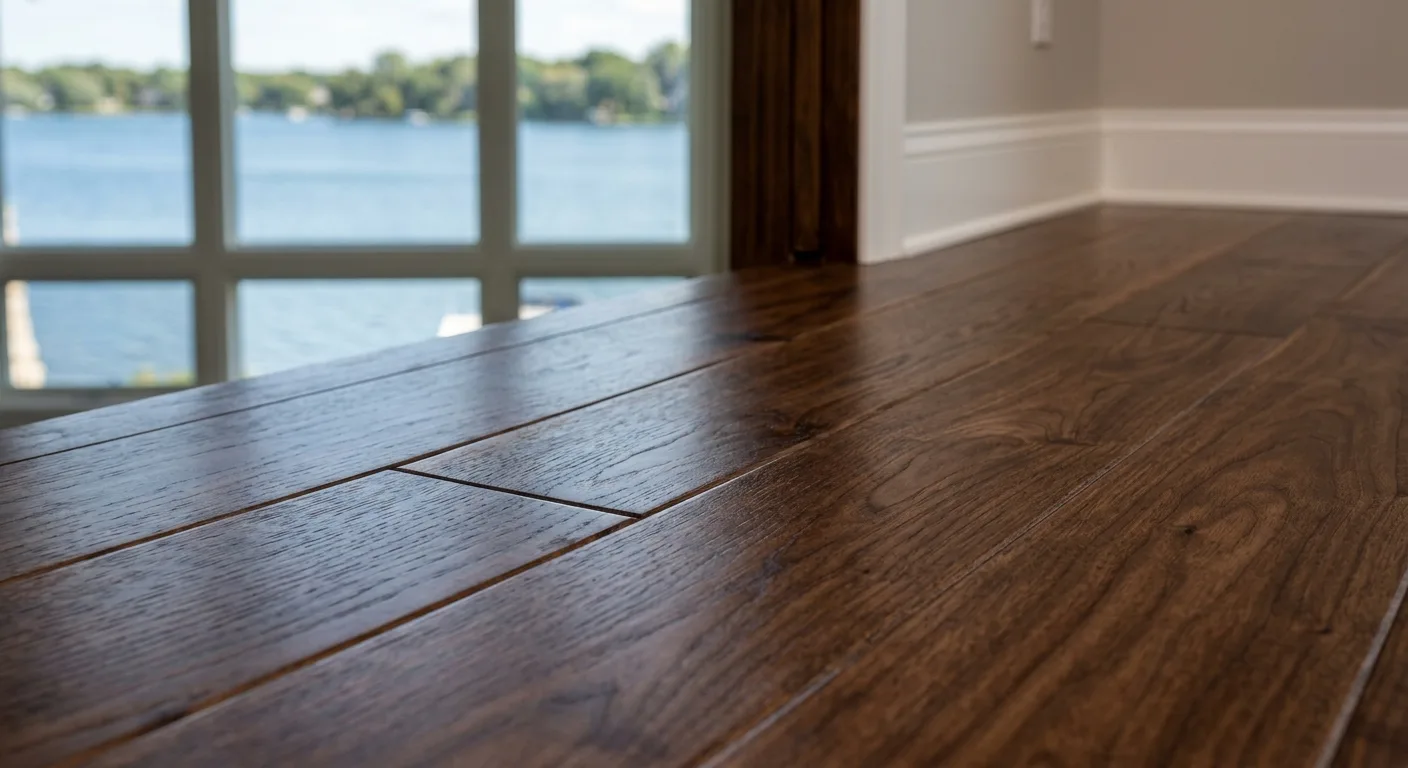
    For an open deck floor in Minnesota, staining is almost always the right call, and here's the concrete reason: paint sits on top of the board as a film, and stain soaks into the wood. On a horizontal deck floor that takes foot traffic, standing snowmelt, and freeze-thaw cycling, that paint film cracks and peels, and once it peels you're committed to scraping and repainting forever. Stain penetrates, wears by fading instead of peeling, and re-coats far more easily. Paint has its place, just not underfoot. Where paint earns its keep on a deck is the vertical trim, fascia, and skirting that shed water instead of holding it, fully covered porch floors that never see standing snow or direct rain, and painted risers or stringers on stairs where you want a hard color break. That vertical-versus-horizontal split is the whole game. It's the same reason the finish work we do on wood fences faces the same paint-vs-stain choice but lands differently, because fence boards stand up and shed water the way a deck floor never can.
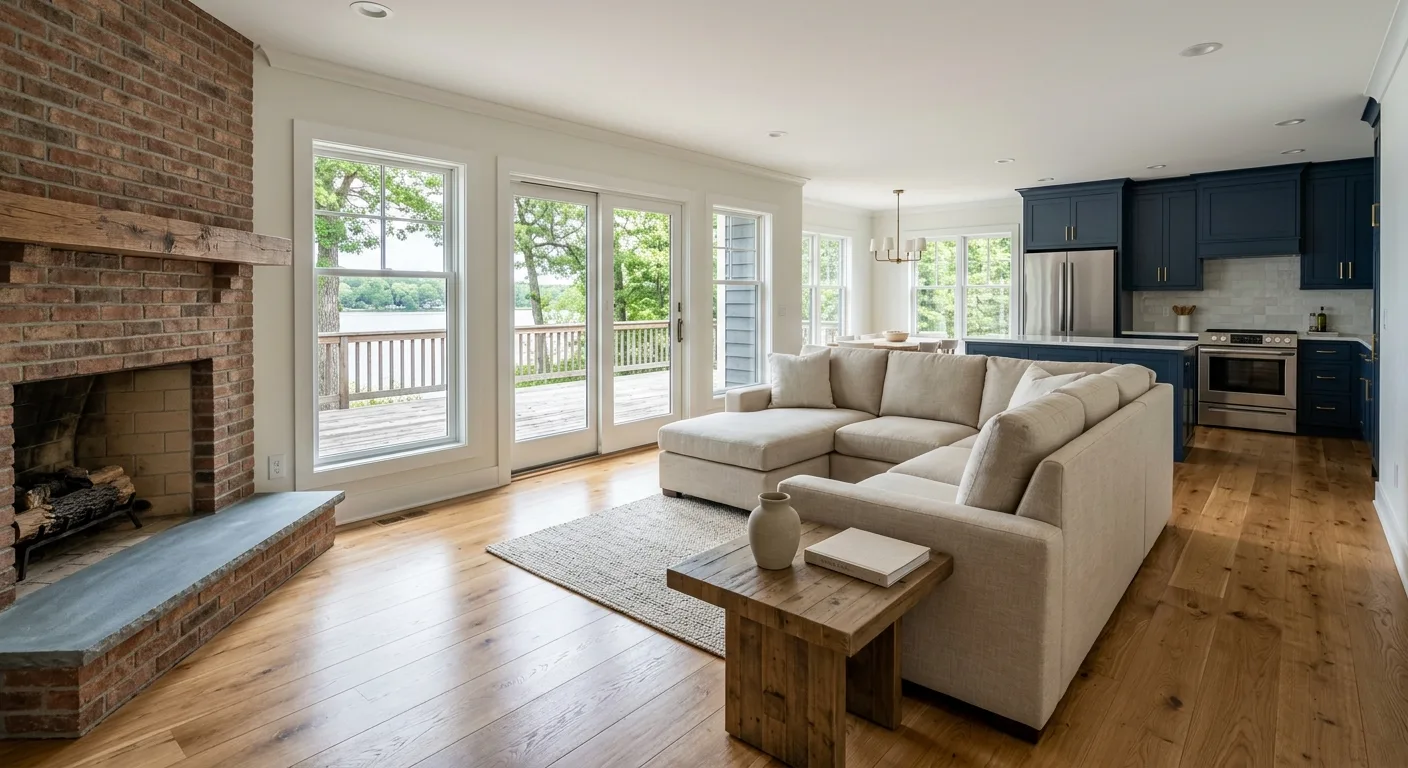
    Semi-transparent deck stain soaking into the wood grain instead of forming a film that peels.

    Why does deck paint peel? The freeze-thaw answer
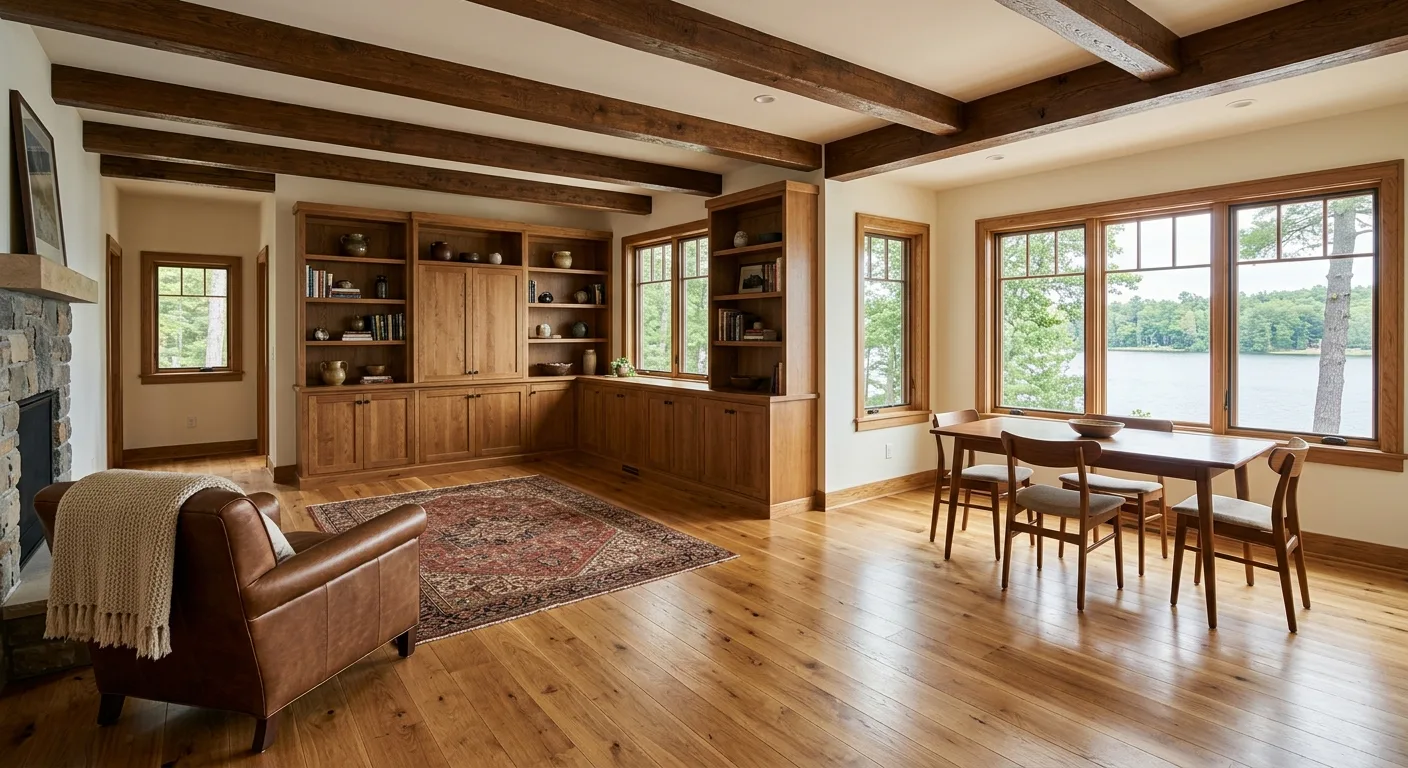
    Deck paint peels because a paint film traps moisture against a board that's constantly taking on and shedding water, and Minnesota's freeze-thaw cycling is the specific force that breaks the bond. A deck board is horizontal, so it holds snowmelt and pooled water far longer than vertical siding ever does. Water works into the wood from below and through the end grain, then the temperature swings back above freezing and it tries to escape, and the paint film on top won't let it out cleanly. A single Twin Cities winter can swing dozens of freeze-thaw cycles. Each one drives moisture into the deck boards and back out, and that cycling, not just the cold, is what lifts a paint film off a horizontal surface. Stain avoids this because it lives inside the wood rather than on top of it. As the board expands and contracts through those cycles, the stain moves with it instead of shearing off. When a semi-transparent coat finally wears, it just fades and thins, so you clean and re-coat. When a paint or solid film fails on a deck floor, it lifts at the edges and flakes, and now you're stripping before you can put anything new down. That's the difference between a maintenance coat and a demolition job. If you've already got peeling paint on your deck and you're trying to figure out whether it strips or gets replaced, call Mike at (612)-987-1566 and we'll take a look before you buy anything.
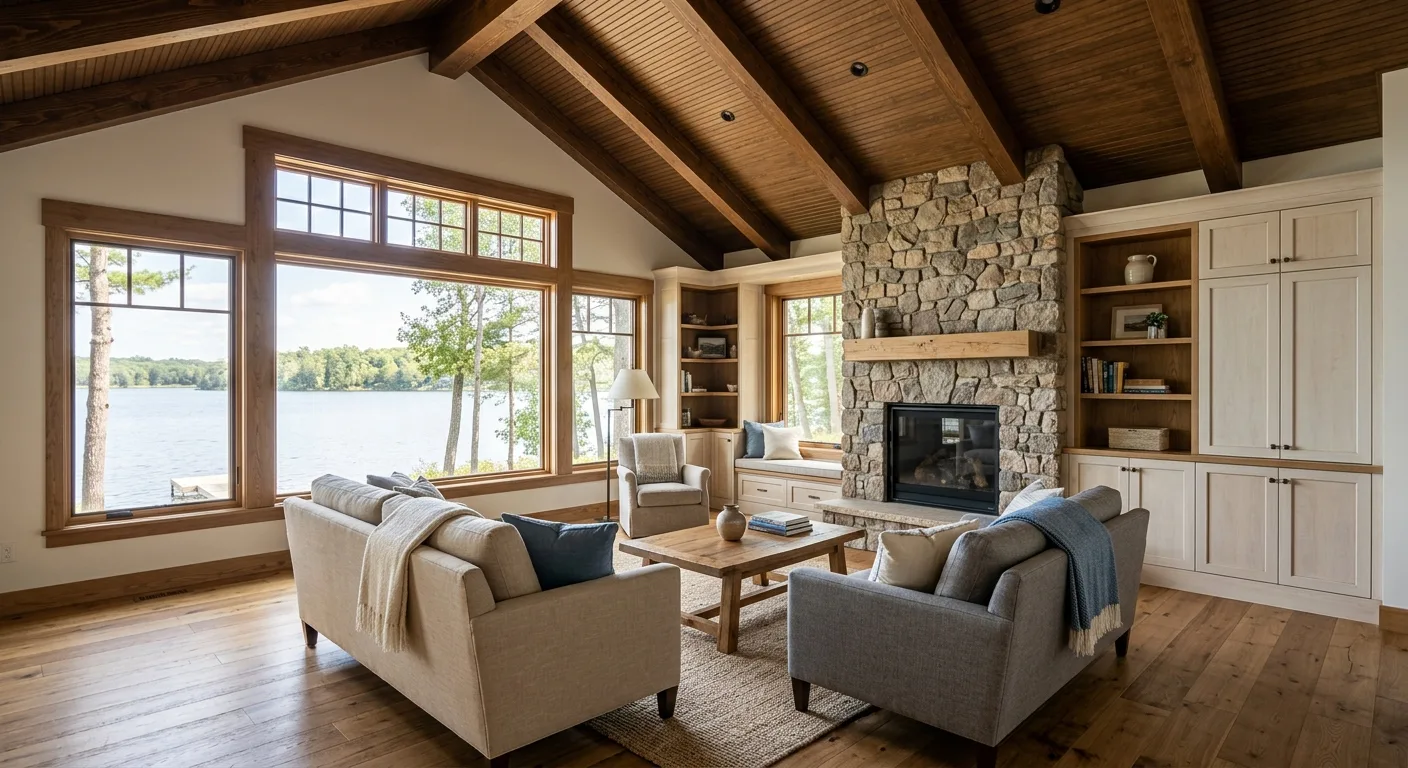
    Solid stain on a weathered deck floor where the wood grain no longer needs to show.

    Solid vs semi-transparent deck stain: which holds up here
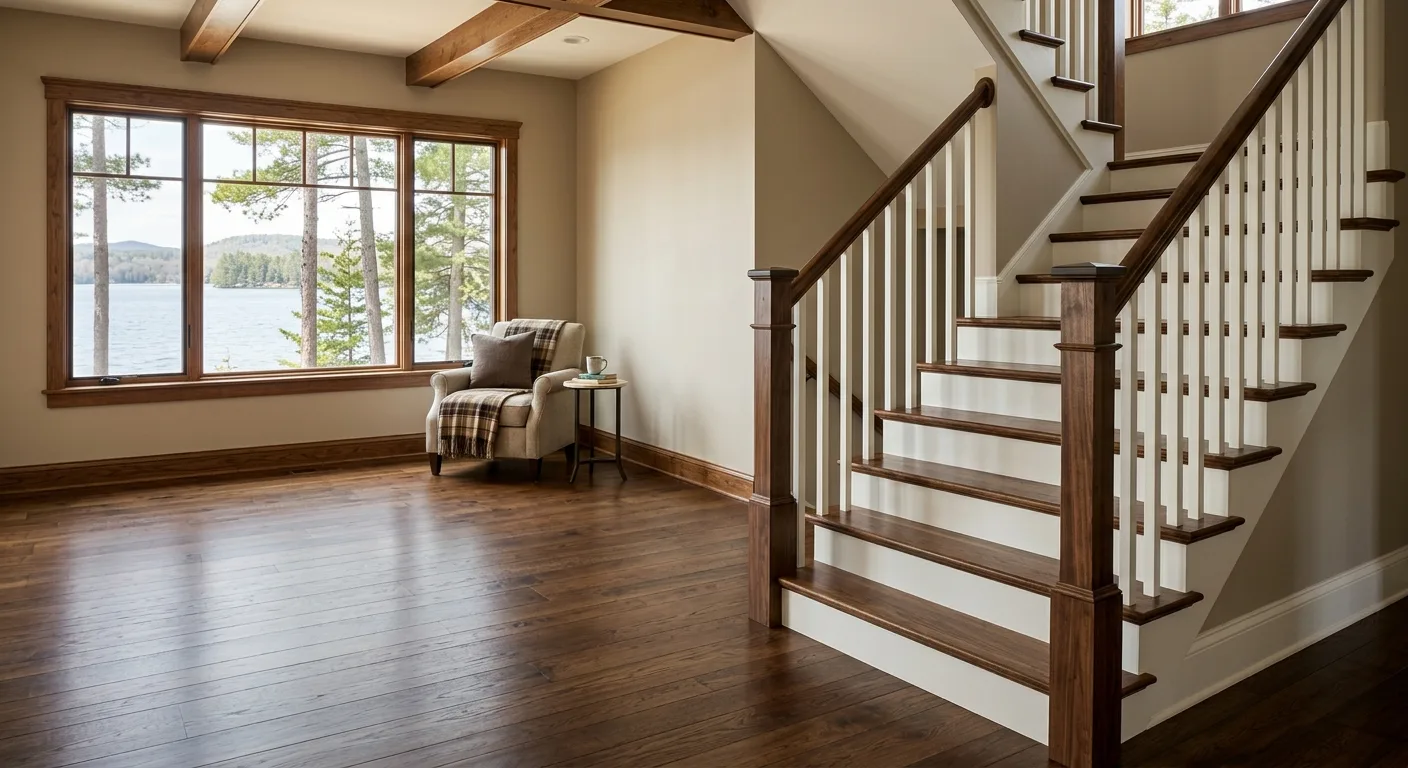
    Here's the honest tradeoff, and it's the same one we walk every client through on our professional deck staining built for Minnesota freeze-thaw. Semi-transparent stain lets the wood grain show, soaks into the board, and wears by fading rather than peeling, which makes re-coating easier down the road. It typically needs a fresh coat every 2 to 3 years on a Minnesota deck. Solid stain acts more like a thin paint: it hides grain, gives you the widest color range, and lasts longer on the flat deck floor, but when it does fail it tends to peel, and peeling means stripping before you can re-coat. On older, weathered, or previously solid-stained decks, solid is usually the right call because the grain isn't worth showing and it hides the mismatch. On newer cedar or well-kept wood, semi-transparent shows the grain and is far more forgiving to maintain. What 26 years across the metro has taught us comes down to matching the product to the surface, not to a color chart. And on vertical surfaces like railings and fence boards, semi-transparent lasts noticeably longer than it does on the horizontal deck floor, because those boards shed water instead of holding it. That's why we'll often spec the deck floor and the railings as two different products on the same deck: solid on the floor for longevity, semi-transparent on the rails for looks.
    Finished deck with stained floor boards and coordinated railings after a Twin Cities re-coat.

    Should you paint or stain a deck? What each one costs you in re-coats
    The real cost of this decision isn't the can, it's how often you're back out there. Think in re-coat frequency, not upfront choice. Here's how the three finishes actually play out on a Twin Cities deck floor over time. Semi-transparent stain re-coats roughly every 2 to 3 years; when it fades, you clean and re-coat with no stripping, which is the lowest-hassle path over the life of the deck and the easiest to keep looking maintained. Solid stain runs a few years longer than semi-transparent before it needs real attention, but when it finally fails it peels, so that eventual re-coat is a strip job, not a wipe-and-recoat, which makes it a good trade on older or previously solid-coated wood. Paint looks great the first season, then the film cracks and peels on the horizontal boards, and every re-coat after that means scraping and repainting the failed spots, so it's the most work per year of any option on a deck floor. The biggest lever you control is re-coat timing on stain. A semi-transparent deck caught early, while it's just starting to fade, gets a clean-and-recoat. Let it go too long and you're into a full strip, which costs more and takes longer regardless of which finish you started with. We back exterior work with a 2 to 3 year warranty and we'll tell you honestly where your existing coat sits in its life, so you're not paying for a strip you don't need yet. Tell us what's going on and we'll come back with a straight plan.
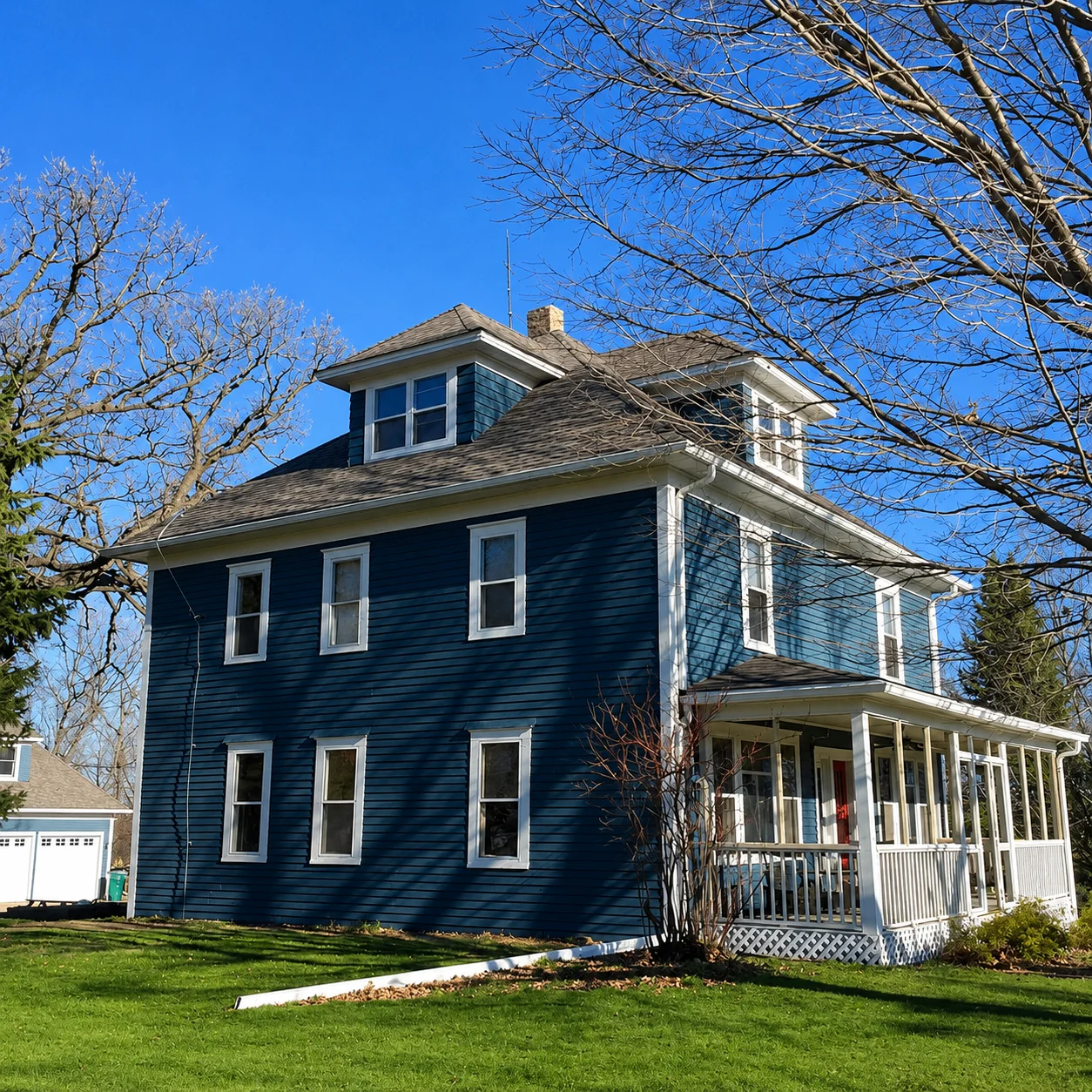
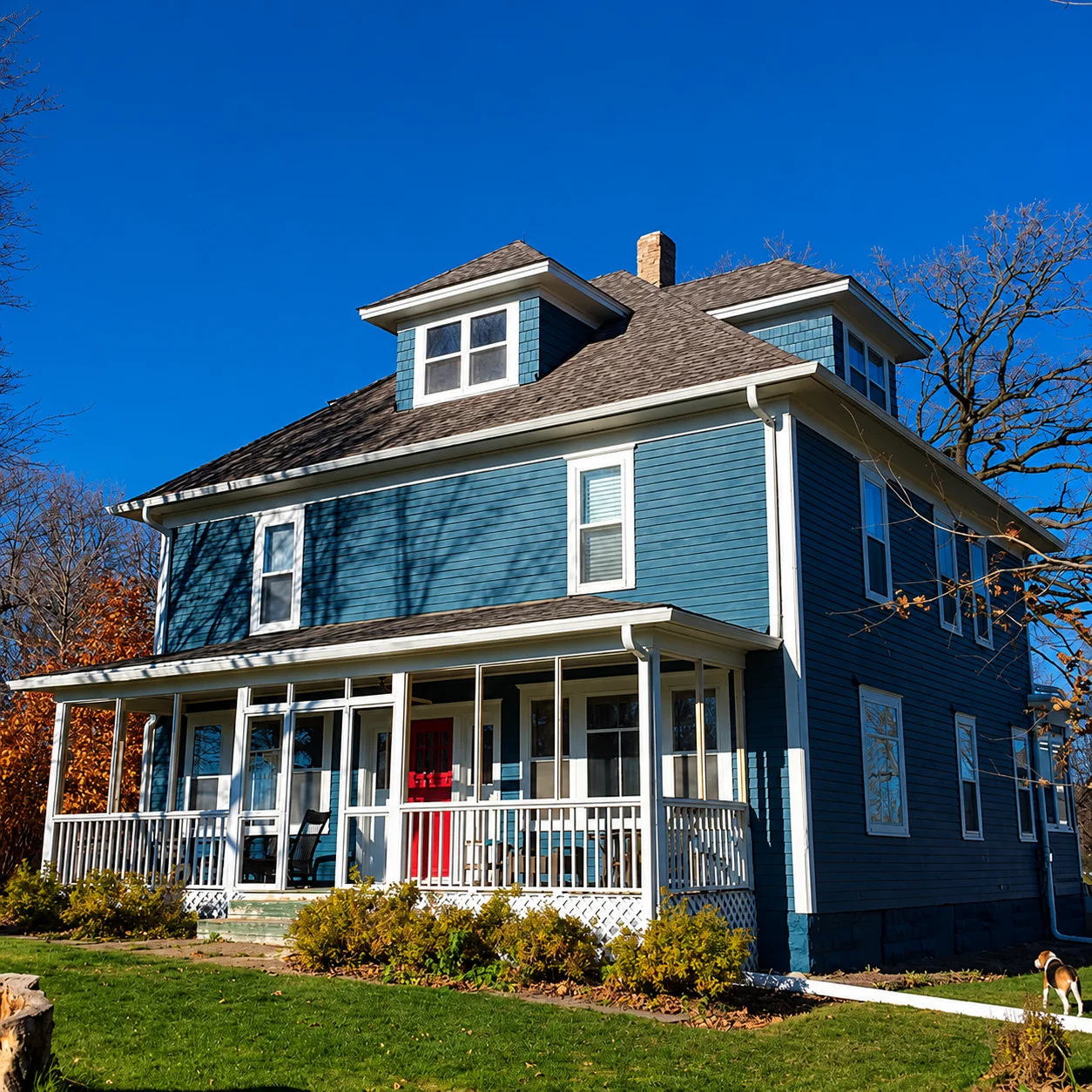
    Two-story home freshly painted in deep navy blue with crisp white trim and wraparound porch.

    When painting a deck is the wrong call (and the rare time it isn't)
    We'd rather lose the job than sell you the wrong finish, so here's the honest gate, including the part that might talk you out of hiring anyone. Don't paint an open deck floor that takes weather. On a horizontal surface exposed to Minnesota snow, ice, and summer UV, a paint film is a short-term look that becomes a long-term scraping commitment. Don't paint or stain a brand-new pressure-treated deck the week it's installed either. The wood is usually too wet and mill-glazed to accept a finish, and it commonly needs to weather a season first, or whatever you put down peels by the next spring. And the one most contractors won't say: if your deck was stained a year ago and still looks good, you don't need us yet. Semi-transparent usually has 2 to 3 years in it, so wait until it starts fading before you re-coat. The rare time paint genuinely fits: a fully covered porch floor that never sees standing snow, or vertical deck elements like skirting and stair risers where you want a hard, durable color and the board sheds water. That's where our enameling and wood finishing and refinishing work comes in, because those surfaces reward a film the way a deck floor punishes it. For the actual walking surface, though, stain is the finish built for the job. We serve the Twin Cities metro from Prior Lake, fully insured, in business since 2000, no emergency service and no after-hours claims, just honest exterior work. Free estimate, no pressure: (612)-987-1566.
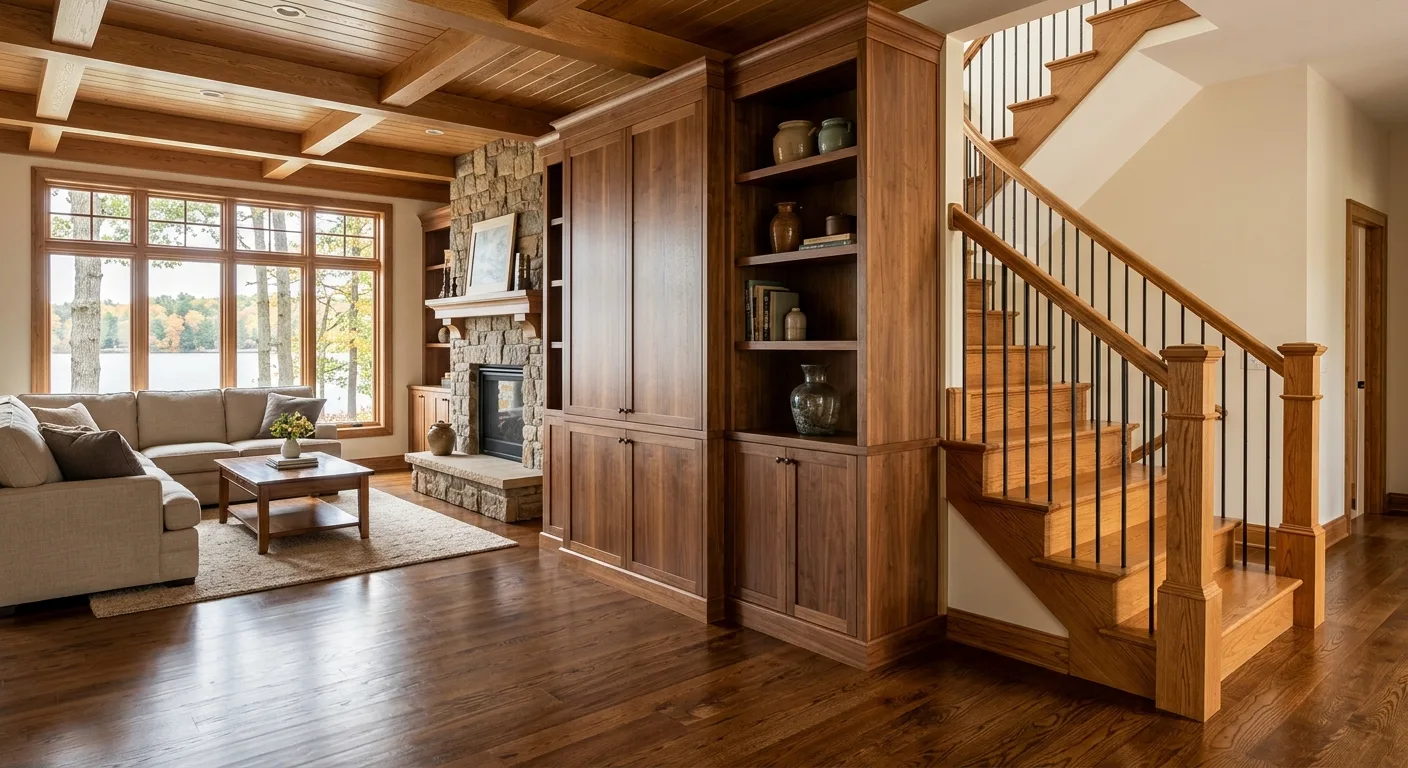
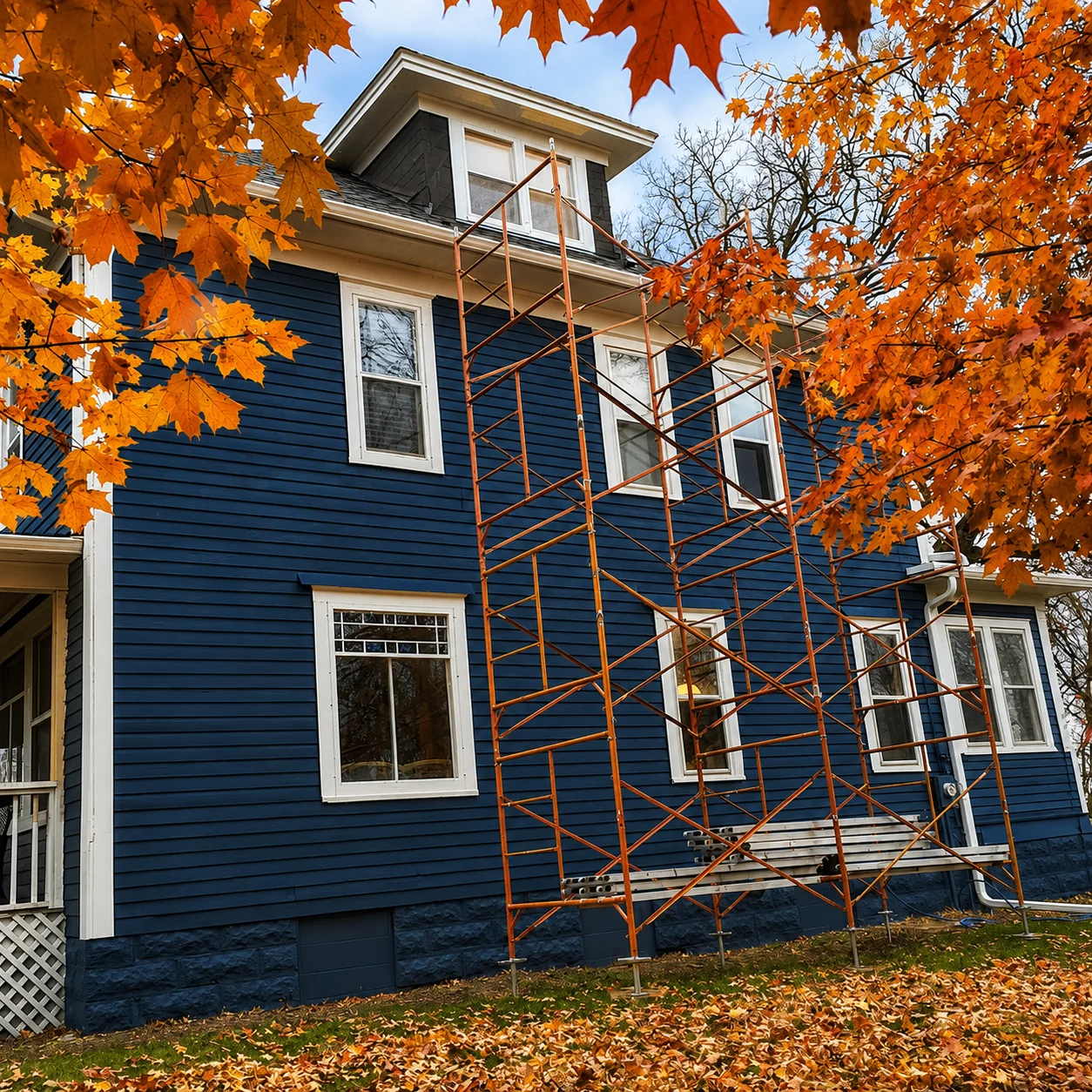
    Webster's Quality Painting crew mid-project on a navy blue exterior repaint with scaffolding in autumn.

    FAQ

    Ready to start your project?